
Lead Generation Made Easy: An In-Depth Review of HeySummit
Streamline your lead generation with HeySummit. This in-depth review covers features, benefits, and strategies to maximize your event's impact.



Published: June 20, 2026
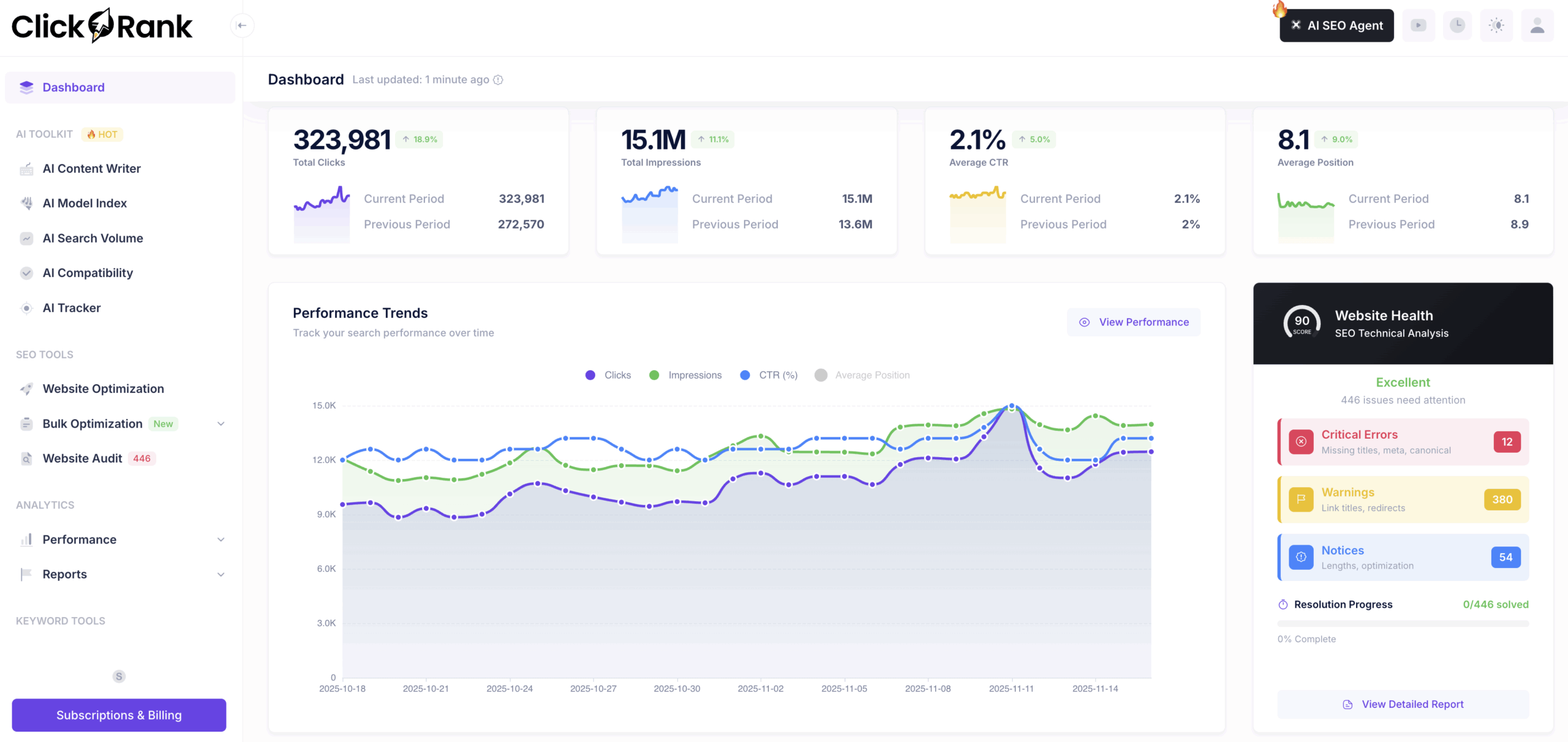
You are competing for attention in search results that get smarter every year, so adopting tools that let you move faster and more precisely is essential. ClickRank is an AI-powered SEO automation platform that links to Google Search Console and uses a lightweight JavaScript snippet to automatically optimize titles, meta descriptions, image alt text, schema markup, and internal links.
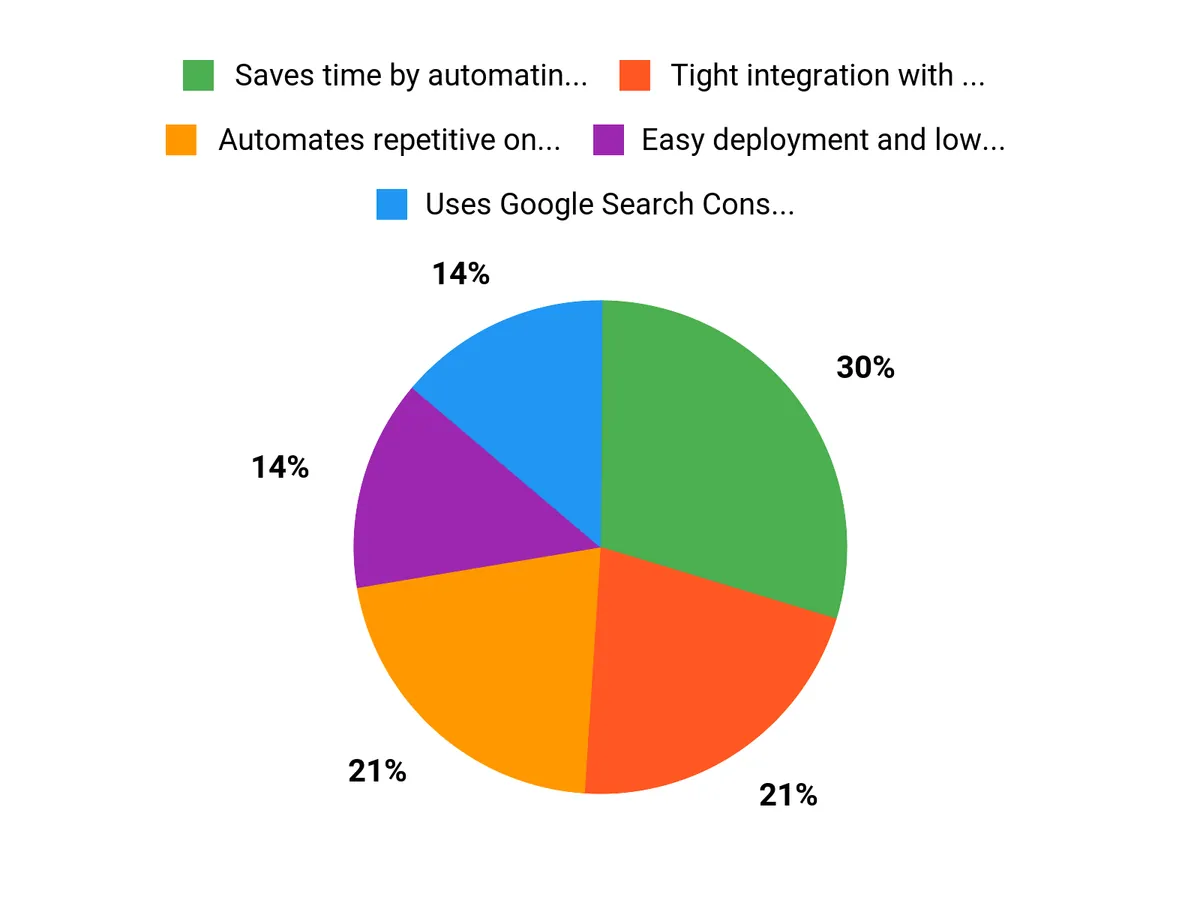
By automating repetitive on-page tasks, ClickRank helps you free up time for strategy, scale SEO work across many pages, and target the ranking signals that still matter in 2026.
You get a tool that quietly handles a lot of the repetitive on-page work so you can focus on strategy. ClickRank connects to your Google Search Console data and runs rules from a small JavaScript snippet to refresh titles, meta descriptions, image alt attributes, schema and internal links across many pages.
For day-to-day use it saves you time on routine fixes and keeps content consistent, and for special moments like a product launch or seasonal campaign it helps ensure the right pages are surfaced without last-minute manual edits. If you manage content at scale or want a practical way to lift organic performance without swapping tools, ClickRank is worth trying.
Pros |
Cons |
|---|---|
✅ Saves time by automating titles, meta descriptions, alt text, schema, and internal links |
❌ Automated copy can need human review to match brand tone in nuanced cases |
✅ Tight integration with Google Search Console keeps changes grounded in search data |
❌ You should monitor changes initially to avoid unintended SEO impacts |
✅ Easy deployment and low maintenance once configured |
❌ Focuses on on-page signals and internal linking rather than broader technical SEO |
Feature |
Ease Level |
|---|---|
Installation |
Easy |
Configuration |
Moderate |
Ongoing Management |
Easy |
Custom Rules |
Moderate |
Aspect |
Ease Level |
Notes |
|---|---|---|
On-Page SEO Automation |
High |
Handles meta tags and alt text without daily intervention |
Internal Linking |
High |
Automatically improves link structures across pages |
Schema Markup |
Moderate |
Adds structured data but may need tweaks for complex content |
Team Collaboration |
Moderate |
Allows approvals and overrides to keep copy aligned |
Software |
Integration Quality |
|---|---|
Google Search Console |
Excellent |
WordPress |
Good |
Shopify |
Good |
Custom Sites via JS Snippet |
Excellent |
You can expect steady performance for production sites, but plan a monitoring window after initial rollout so you catch and tweak any automated changes that don't fit your content strategy.
ClickRank connects to your Google Search Console data and runs a lightweight JavaScript snippet on your site to apply on-page updates like titles, meta descriptions, image alt text, schema markup, and internal links. You authorize access to your Search Console, add the snippet to your site or CMS, and the platform uses search performance signals to suggest or apply changes. You keep control through configuration options and can preview or override automated copy before it goes live, so the tool works with your existing workflows rather than replacing them.
Google Search Console access is required so optimizations are grounded in real search data.
Automated optimizations can help you scale improvements, but they are not risk-free if left unchecked. ClickRank is designed to follow best practices, yet you should treat automated output as something to monitor at first. Start with previews, enable approvals for sensitive sections, and watch your Search Console performance after rollout so you can roll back or tweak rules if something underperforms.
The safest approach is to combine automation with periodic human review to preserve brand tone and guard against unintended effects. Monitor the initial rollout closely and use overrides where nuance matters.
Setup is mainly adding the JavaScript snippet and authorizing Google Search Console, then configuring rules and templates that match your brand voice. For ongoing maintenance you should check performance reports, review automated copy periodically, and adjust rules as your content strategy evolves. It helps to start on a subset of pages or a staging environment so you can validate results before scaling site-wide.
Make time for a short monitoring window after major changes and use built-in approvals or logs to keep the team aligned.
You choose ClickRank because it automates repetitive on-page SEO tasks and ties them to Google Search Console so updates are data-driven rather than guesswork. Its lightweight JavaScript deployment and customization options let you scale optimizations across many pages while keeping your brand voice and freeing you to focus on strategy.
ClickRank is a practical choice if you want to automate repetitive on-page SEO tasks while keeping control over brand voice and strategy. The platform connects to Google Search Console and applies data-driven updates to titles, meta descriptions, alt text, schema, and internal links, which helps you scale optimization across many pages with minimal manual work.
With a 4.9/5 rating and a focus on easy deployment, ClickRank fits teams that prioritize time savings, measurable traffic improvements, and reliable integration into existing workflows.
Streamline your lead generation with HeySummit. This in-depth review covers features, benefits, and strategies to maximize your event's impact.

Elevate your coaching this autumn with Teachable's powerful tools and features designed to enhance your online courses and engage your audience effectively.

Uncover the top sales funnel software trends for the holiday season, enhancing your marketing strategy and boosting conversions for maximum holiday sales.