

Navigating the Crypto World: A Look at CryptoHero and Biyond
Uncover the features and benefits of CryptoHero and Biyond, two innovative platforms shaping the future of cryptocurrency trading and investment strategies.



Published: May 11, 2026
You are increasingly expected to move faster and do more with less, and automation is one of the most practical ways to meet that demand. Make offers a visual automation platform that helps you design, build, and run anything from simple repetitive tasks to complex enterprise workflows without writing code, so you can save time, reduce errors, and focus on higher-value work.
Make hands you a visual canvas so you can connect apps and processes without writing code. You can set up a daily workflow to move form submissions into a spreadsheet, or build a branching approval flow that routes work based on specific conditions.
It is practical for everyday chores like syncing leads and generating reports, and for one-off projects such as coordinating events or managing multi-step marketing campaigns. You can prototype fast, reuse components, and add simple error handling so automations stay reliable.
If you prefer configuring flows by clicking rather than scripting, Make is an approachable way to cut down repetitive work and keep processes consistent.
Pros |
Cons |
|---|---|
✅ You can build powerful automations without code |
❌ Large scenarios can become complex to manage |
✅ Wide range of integrations makes connecting systems straightforward |
❌ Advanced logic takes time to master |
✅ Capable of both simple tasks and enterprise-grade workflows |
❌ Organization and naming discipline are needed to avoid clutter |
✅ Visual debugging helps you see what’s happening in each run |
Situation |
How It Helps |
|---|---|
Daily admin |
Automates recurring tasks like data entry, report generation, and lead routing so you spend less time on repetitive work and more on higher-value activities |
Marketing campaigns |
Sequences emails, updates your CRM and tracks responses automatically so campaign steps run reliably and you can focus on strategy |
Event coordination |
Collects RSVPs, builds attendee lists, sends reminders and syncs calendars so logistics are handled without manual copying and pasting |
Team handoffs |
Routes tasks based on conditions, notifies owners, and logs status changes so work moves smoothly between people with less follow up |
By removing manual steps and batching integrations, Make helps you reclaim hours each week that you can use for planning, creative work, or reducing backlog.
Feature |
Ease Level |
|---|---|
Visual Editor |
Easy |
Prebuilt Templates |
Moderate |
Debugging Tools |
Moderate |
Advanced Logic |
Advanced |
Software |
Integration Quality |
|---|---|
Google Workspace |
Seamless |
Slack |
Seamless |
Salesforce |
Robust |
HTTP / Webhooks |
Flexible |
Supports simple triggers up to multi-branch scenarios with loops, iterators, scheduling and error handling so you can chain services, transform data, and run end-to-end processes without writing code.
Make works well when you want to cut down repetitive work and connect multiple tools without writing code. If you handle regular data transfers, campaign orchestration, or multi-step approvals, you can often move from idea to a working flow quickly using the visual builder. A practical approach is to prototype one or two core automations first to confirm connectors and performance, and then expand as people get comfortable.
Building basic flows is straightforward, but complex, branching scenarios require planning and a bit of discipline. Break larger processes into smaller modules, test each piece with sample data, and use error handling and logging so you can see what happens when something goes wrong. A good tip is to reuse components and name steps clearly so you or teammates can maintain the workflow over time.
You can make automations reliable by using built-in retry logic, run histories, and alerts to catch failures early, and by adding error handling to manage exceptions gracefully. For security, use the platform’s supported authentication methods and limit who can edit or trigger scenarios to follow least-privilege practices. Before you flip a flow into production, run it in a test environment and monitor the first few runs so you can adjust timeouts and permissions as needed.
You pick Make because its drag-and-drop canvas lets you turn ideas into working automations without writing code, so you can move faster and avoid repetitive chores. Its support for complex branching, broad app connectors, and reusable components helps you scale from simple tasks to enterprise workflows while keeping control and visibility.
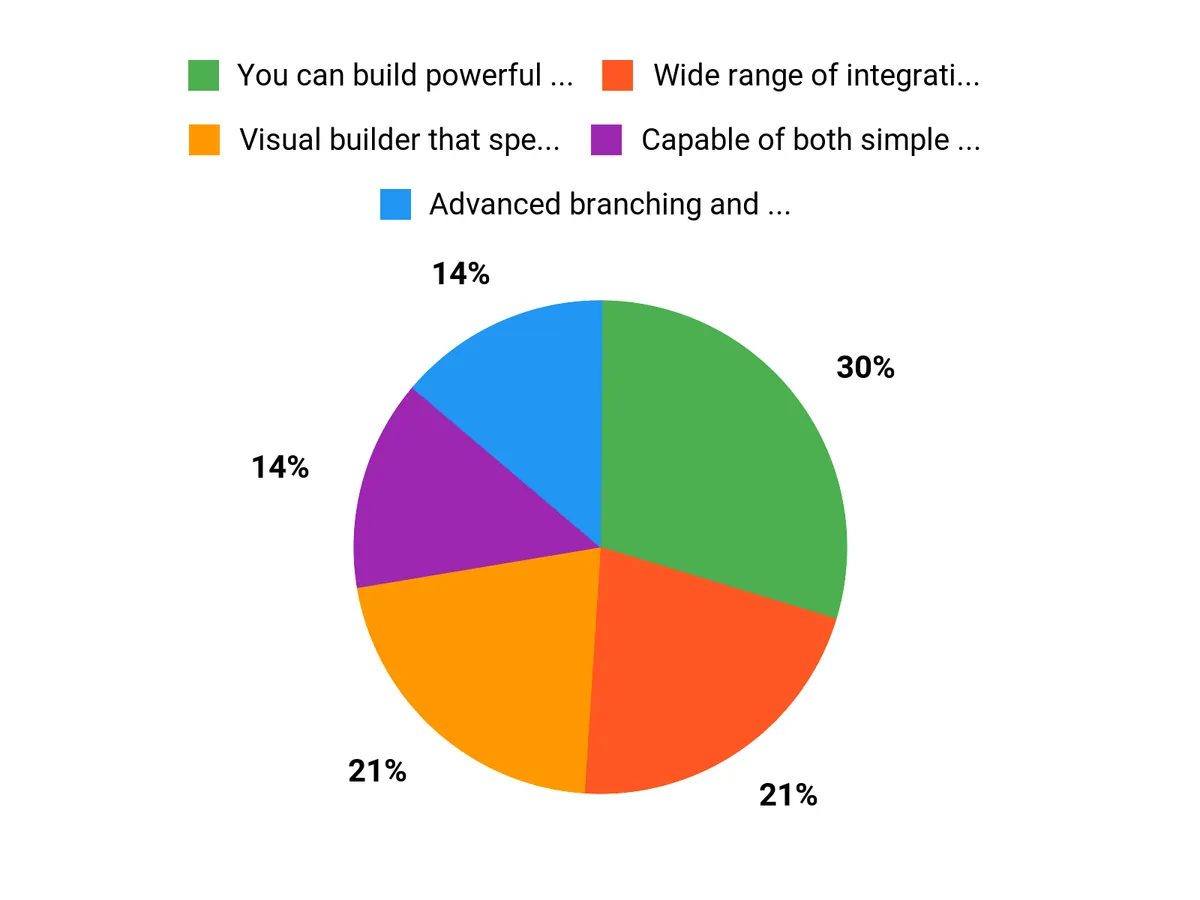
Make is a strong choice if you want a no-code way to automate both simple tasks and complex workflows, enabling you to reduce manual work and connect disparate systems. With a visual builder, advanced branching logic, and extensive integrations, it helps you scale automation across teams while keeping control over custom behavior and error handling.
Uncover the features and benefits of CryptoHero and Biyond, two innovative platforms shaping the future of cryptocurrency trading and investment strategies.

Transform your online store with Selldone's innovative features, enhancing user experience, boosting sales, and streamlining operations for e-commerce success.

Boost your productivity this fall with Chatbase, your AI assistant designed to streamline tasks, enhance organization, and optimize your workflow effortlessly.