

Lead Generation Made Easy: An In-Depth Review of HeySummit
Streamline your lead generation with HeySummit. This in-depth review covers features, benefits, and strategies to maximize your event's impact.



Published: June 28, 2026
You want automation that actually saves you time and reduces repetitive work while staying flexible enough to handle complex scenarios. Make is a visual automation platform that lets you design, build, and automate anything from simple tasks to enterprise workflows, using infinite branching logic and no coding.
This review explains why Make matters to your productivity, what strengths it brings to the table, and how it can help you streamline processes and scale operations.
You work visually on a canvas where triggers, actions, and conditions snap together so you can automate flows without writing scripts. For everyday use you can automate inbox triage, sync contacts, schedule social posts, or move form responses into spreadsheets.
For bigger projects you can build release pipelines, orchestrate event registrations, or run multi-step onboarding with conditional branches. The interface keeps things tangible as scenarios grow, and the platform gives you enough control to handle intricate exceptions while staying approachable. If you want a flexible, no-code way to link tools and remove repetitive work, Make is a practical choice that adapts to both simple routines and complex campaigns.
Pros |
Cons |
|---|---|
✅ Highly flexible automation capable of complex branching |
❌ Complex scenarios can become hard to maintain without organization |
✅ Broad integration catalog with popular business apps |
❌ Steeper learning curve when using advanced features |
✅ No-code approach reduces dependence on developers |
❌ Some enterprise integrations may require configuration work |
✅ Active community and templates to jumpstart projects |
Feature |
Ease Level |
|---|---|
Visual Builder |
Easy |
Prebuilt Templates |
Easy |
Advanced Logic |
Moderate |
Debugging & Logs |
Moderate |
Software |
Integration Quality |
|---|---|
Google Workspace |
Excellent |
Slack |
Excellent |
Airtable |
Excellent |
Shopify |
Strong |
Salesforce |
Strong |
You can share scenarios with teammates, set role-based access, and keep a history of runs so others can see what happened. Comments and notes within scenarios help coordinate changes, and audit logs make it easier to trace issues when multiple people touch automations.
Workflows are scheduled or triggered in real time, and you can build conditional branches that route data based on rules. Built-in error handlers and retry options keep flows resilient, while execution histories and dashboards let you monitor performance and spot bottlenecks.
You will find Make approachable because the visual canvas lets you build automations by connecting blocks rather than writing code. Start with a simple scenario and a template, run tests, and gradually add conditions and branches as you feel comfortable. Expect a short learning curve for basic tasks and more time to master advanced logic, so give yourself room to experiment and use the documentation and community when you get stuck.
Make connects to a wide range of apps through prebuilt connectors, webhooks, and API calls, so you can usually link the tools you already use without heavy development. When integrating, check how fields map between systems, test data flows in a sandbox or with sample runs, and use transformation modules to normalize data.
If a specific integration is missing, you can often use HTTP modules or webhooks to connect custom services.
Plan for maintainability by breaking large automations into modular scenarios, using clear naming and comments, and keeping a versioning approach so you can rollback changes if needed. Rely on built-in error handling, retries, and logging to catch and resolve failures, and give teammates appropriate access with role controls and audit logs so changes stay traceable.
Before scaling, prototype critical paths to verify performance and be mindful of rate limits and retry policies when connecting many systems.
You choose Make because its visual, no-code canvas makes building and understanding automations straightforward while connecting to a wide range of apps you already use. Its ability to handle complex branching and scalable workflows, along with templates and an active community, helps you move from simple tasks to enterprise processes without getting stuck.
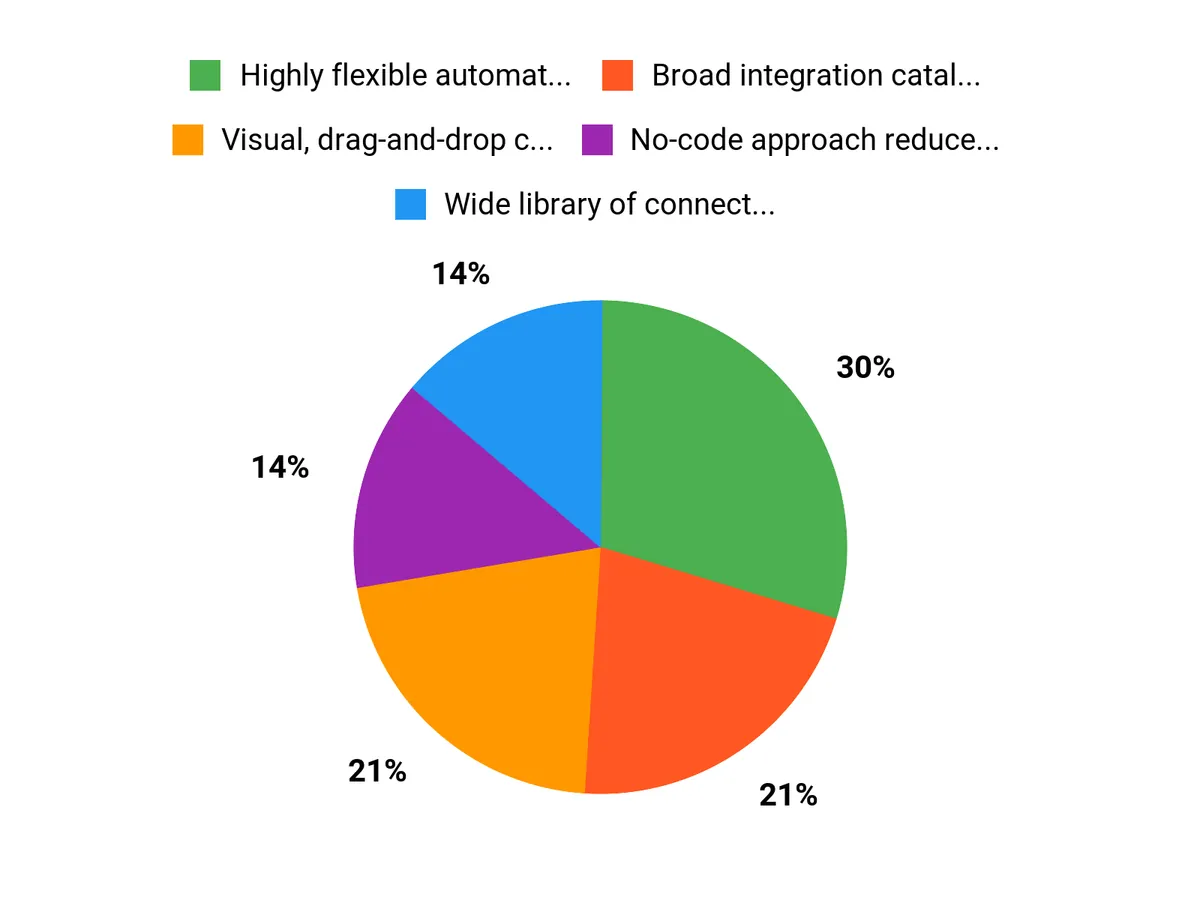
If you want a no-code, visual platform that can handle anything from simple automations to intricate enterprise workflows, Make is worth exploring. You get a powerful builder with deep integration options and the capacity for complex branching logic, which helps you reduce manual tasks and connect disparate systems.
Expect a friendly starting experience and increasing complexity as you build more advanced scenarios, and rely on solid documentation and community resources to accelerate your progress. For practitioners who prioritize flexibility and control over strict simplicity, Make can significantly improve efficiency and consistency across your operations.
Streamline your lead generation with HeySummit. This in-depth review covers features, benefits, and strategies to maximize your event's impact.

Elevate your coaching this autumn with Teachable's powerful tools and features designed to enhance your online courses and engage your audience effectively.

Uncover the top sales funnel software trends for the holiday season, enhancing your marketing strategy and boosting conversions for maximum holiday sales.