

Lead Generation Made Easy: An In-Depth Review of HeySummit
Streamline your lead generation with HeySummit. This in-depth review covers features, benefits, and strategies to maximize your event's impact.



Published: May 11, 2026
You should care about Make because automation is becoming a core way to save time and reduce errors across teams. Make offers a visual automation platform that lets you design everything from simple tasks to enterprise-grade workflows without writing code, and understanding how it fits into your stack helps you scale operations, speed up delivery, and free people from repetitive work.
You can use Make to stitch systems together without writing code, using a drag-and-drop canvas that keeps logic visible. For everyday work it helps you automate routine chores like routing leads, syncing files, or posting updates, so you spend more time on higher-value work.
For special projects you can string together multi-step campaigns, event registration flows, or cross-team handoffs that would otherwise need coordination meetings. The platform scales from quick one-off automations to large orchestrations, and you can invite teammates to collaborate or drop in developer hooks when you need custom behavior. If you want a flexible, visual way to reduce repetitive tasks and keep control over complex logic, Make is worth exploring.
Pros |
Cons |
|---|---|
✅ Accessible visual interface that non-developers can learn |
❌ Complex flows can become hard to manage without good naming and organization |
✅ Handles complex branching and error handling |
❌ Some niche connectors may require custom work |
✅ Strong integration coverage for common SaaS tools |
❌ Advanced setups benefit from developer involvement |
✅ Built-in logs and collaboration for team workflows |
Situation |
How It Helps |
|---|---|
Small Teams |
You can automate repetitive admin tasks and sync data between tools so your team stays lean without hiring for integrations. |
Marketing Campaigns |
You can coordinate multi-step launches, trigger follow-ups, and move leads through funnels with conditional logic that adapts to behavior. |
Customer Support |
You can route tickets, enrich records with external data, and notify stakeholders automatically to speed up resolution times. |
IT and Ops |
You can build incident workflows, automate routine maintenance tasks, and integrate monitoring alerts into escalation paths. |
Feature |
Ease Level |
|---|---|
Visual Editor |
Easy |
Prebuilt Templates |
Easy |
Advanced Branching |
Moderate |
Debugging and Logs |
Moderate |
Software |
Integration Quality |
|---|---|
Google Workspace |
Excellent |
Slack |
Excellent |
Salesforce |
Very Good |
AWS |
Good |
Make supports routing data to AI services and can be combined with external LLMs and AI APIs to add text generation, classification, or decisioning into automations. You can use AI steps for enrichment, summarization, or conditional branching based on model outputs.
Yes. You’ll find Make’s visual builder and prebuilt templates make it easy to assemble automations without writing code, and you can learn by copying and tweaking examples.
A practical approach is to start small: automate a single repetitive task, test it, and then expand. Use clear naming, modular scenarios, and versioning so your automations stay understandable as they grow, and invite a teammate to review early to catch workflow gaps.
Make supports branching, iterators, conditional logic, and routing so you can model multi-step processes that adapt to different cases. It also provides logging and step-level diagnostics so you can replay or inspect failed runs, and you can build explicit error-handling paths to retry, notify, or escalate when things go wrong.
A helpful tip is to break large automations into smaller, named scenarios that call each other, which keeps debugging simpler and reduces the blast radius of failures.
Make includes enterprise-focused controls like role-based access, SSO integrations, audit logs, and encrypted data handling so you can manage who sees and edits automations. To reduce risk, follow the principle of least privilege by using service accounts and limiting connector scopes, store secrets in a secure vault when possible, and test automations in a staging environment before connecting production systems. You should also monitor runs and set up alerting so you catch issues quickly and maintain operational confidence.
You’ll prefer Make because its visual, no-code canvas makes building complex automations approachable, letting you design infinite branching logic without writing code. It scales from simple daily tasks to enterprise orchestrations, connects to a wide range of tools, and gives you collaboration features and observability so you can maintain and evolve automations with confidence.
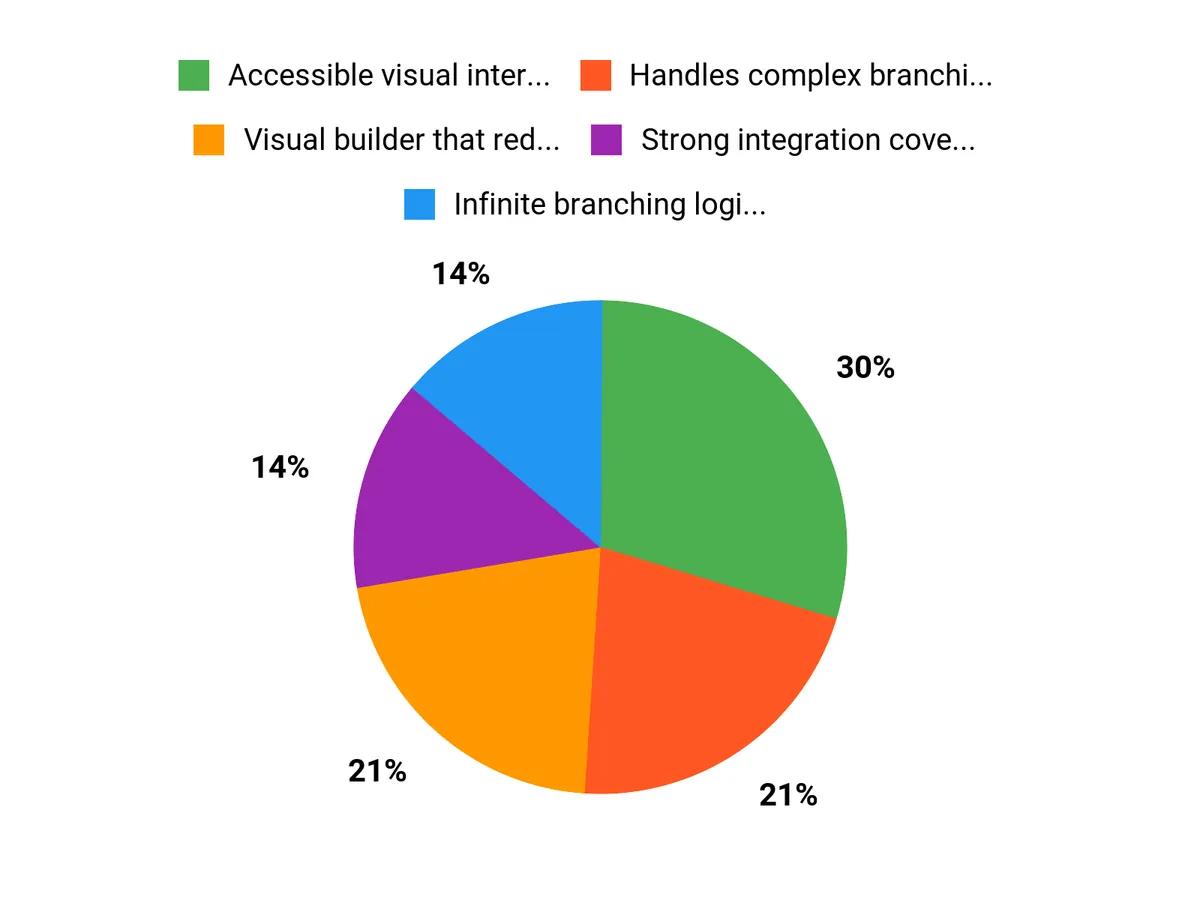
Make is a compelling option if you want to automate both simple tasks and complex, branching workflows without writing code. You benefit from a visual builder that helps non-developers move fast, a broad connector ecosystem to link systems together, and features that support team collaboration and observability. If your goal is to scale automation while keeping maintenance manageable, Make is worth evaluating as part of your 2026 automation strategy.
Streamline your lead generation with HeySummit. This in-depth review covers features, benefits, and strategies to maximize your event's impact.

Elevate your coaching this autumn with Teachable's powerful tools and features designed to enhance your online courses and engage your audience effectively.

Uncover the top sales funnel software trends for the holiday season, enhancing your marketing strategy and boosting conversions for maximum holiday sales.