
How to Choose Between 2 Leading Smart Locks for Your Home
Compare top smart locks for your home with key features, security options, and user reviews to make an informed choice for your family's safety.



Published: May 10, 2026
You want a smart home that actually saves time and reduces friction rather than creating another set of devices to manage. Choosing the right smart home hubs determines how well your lights, sensors, locks and voice assistants work together, how private your data stays, and how future‑proof your setup is.
This guide cuts through jargon and shows you how to match hub features to your technical comfort, budget and long‑term goals so you get reliable automation and less upkeep.
Category |
Product |
Score |
|---|---|---|
🏆 Best Overall |
94/100 |
|
🎯 Best For Cross-Brand Compatibility |
78/100 |
|
🔰 Best For HomeKit Users |
86/100 |
|
⭐ Best SmartThings Gateway |
88/100 |
|
🚀 Best For Local Control |
84/100 |
|
🔌 Best For Electrical Automation |
90/100 |
|
🎨 Best Control Panel |
85/100 |
|
📺 Best Kitchen Display |
91/100 |
When evaluating smart home hubs you should weigh compatibility, reliability, privacy and ease of use. Compatibility means support for the protocols and ecosystems you already own, from Zigbee and Z-Wave to Matter and Thread. Reliability covers on‑device performance, network stability and whether automations run locally or require cloud services.
Privacy and security look at local control options, firmware update cadence and vendor policies. Ease of use includes initial setup, mobile app quality and the learning curve for advanced automations. Price and expandability matter too; a lower entry price can be attractive but may cost more if you need bridges or subscriptions later.
Finally consider future proofing by checking for Matter, Thread and regular vendor updates so your hub stays relevant over several years.
You get a compact, purpose-built Home Assistant device that prioritizes local automation and flexibility. It runs Home Assistant OS, so you can tie together dozens of brands and protocols through integrations, USB adapters or built-in Bluetooth. In daily use it handles routines, presence detection, voice bridges and energy monitoring without pushing everything to a cloud service. For special occasions you can build scene-driven lighting, timed security modes or multimedia setups that activate automatically when guests arrive.
If you value privacy and long-term control, this is a practical choice that scales as you add devices and learn more about automations.
Situation |
How It Helps |
|---|---|
You Have A Large, Mixed Device Collection |
Home Assistant Green acts as a central translator, letting devices from different brands work together via integrations and USB radios so your automations can coordinate across ecosystems. |
You Care About Privacy |
Because automations can run locally on the device, sensitive routines and sensor data don’t need to be sent to third‑party cloud services. |
You Want Reliable Automations During Outages |
Local processing keeps critical automations like alarms, lights and door locks functioning even when internet access is interrupted. |
You Plan Seasonal Or Event-Based Setups |
You can create reusable scene templates and schedules for holidays, parties or vacations that trigger reliably and are easy to tweak. |
Feature |
Ease Level |
|---|---|
Initial Setup |
Moderate |
Creating Automations |
Moderate |
User Interface |
Moderate |
Community Support |
Easy |
This hub is highly adaptable: it supports local automations, USB-attached radios for Zigbee/Z-Wave, Bluetooth devices and extensive software integrations. It works well as the backbone of a hobbyist’s smart home, a privacy-focused household, or a growing multi-room setup.
Platform |
Compatibility Level |
|---|---|
Voice Assistants (Alexa/Google/Siri) |
High |
Zigbee & Z-Wave (via USB radios) |
High |
Matter / Thread |
Moderate |
Bluetooth & Local Devices |
High |
This device solves fragmentation and privacy concerns by letting you run complex automations locally and bridge incompatible ecosystems. It reduces dependence on single-vendor clouds and makes maintenance predictable, although unlocking its full potential may require some tinkering and occasional troubleshooting.
You get a hub designed to bring devices from different brands together so they actually cooperate. Day to day it simplifies routines, voice control and scene activation from a single app, and for special occasions you can build multi-device scenes that set lighting, music and climate with one tap. The Homey Pro focuses on broad protocol support, so if you’re juggling Wi‑Fi bulbs, Zigbee sensors and Z‑Wave locks it can be a central point that reduces friction.
Be aware that migrating large, established setups can require some device re-pairing, but for mixed-brand households this hub cuts down the time you spend switching between apps and makes your automations feel more cohesive.
Situation |
How It Helps |
|---|---|
You Own Devices From Many Brands |
Homey Pro acts as a unifier so switches, locks, cameras and bulbs from different manufacturers can participate in the same automations. |
You Prefer A Friendly App Experience |
The Homey app focuses on drag‑and‑drop scenes and simple triggers so you spend less time scripting and more time enjoying automations. |
You’re Adding New Matter Devices |
With Matter and Thread support, the hub can integrate emerging devices and help keep your setup compatible as the ecosystem evolves. |
You Want Voice Flexibility |
It works with Alexa, Google and Siri so you can use whichever assistant you prefer without rebuilding automations from scratch. |
Feature |
Ease Level |
|---|---|
Initial Setup |
Moderate |
Adding New Devices |
Moderate |
Creating Automations |
Easy |
Troubleshooting |
Moderate |
Homey Pro is built to be a central coordinator for a very wide range of devices and protocols, so it fits homes that mix legacy gear with the latest Matter-compatible products. It’s equally useful for simple daily routines and layered automations for events or multi-room control.
Platform |
Compatibility Level |
|---|---|
Zigbee & Z‑Wave |
High |
Wi‑Fi & BLE |
High |
Matter & Thread |
High |
Voice Assistants (Alexa, Google, Siri) |
High |
This hub addresses fragmentation by letting devices from different ecosystems work together under one set of automations, reducing the need to jump between multiple apps. It’s particularly helpful when you want cross‑brand scenes and reliable voice options, though large existing setups may need some manual adjustments during migration.
If you use Apple HomeKit or want a hub that plays nicely with multiple ecosystems, the Aqara M3 is a tidy option. It works as a Matter controller and Thread border router while also handling Zigbee and Bluetooth devices, so you can centralize sensors, locks and alarms without bouncing between apps.
Day to day it’s great for stable sensor monitoring, timely alarms and simple automations; for holidays or gatherings you can combine multiple sensors and triggers to set scenes that behave consistently. The M3 leans toward convenience and compatibility, so it’s a solid pick if you want a reliable bridge among smart home hubs with minimal fuss.
Situation |
How It Helps |
|---|---|
You Use Apple HomeKit |
The M3 offers tight HomeKit compatibility so your automations and scenes stay consistent across iPhone and Home app controls. |
You Want Reliable Sensor Alerts |
Built‑in alarm sounds and reliable local handling of sensor data make it easier to get immediate notifications for leaks, temperature spikes or entry events. |
You Need A Wall‑Or Rack‑Mounted Hub |
PoE support lets you place the hub where wired power is preferred, avoiding outlet congestion and improving network stability. |
You’re Adding Matter Devices |
As a Matter controller and Thread border router, it helps new Matter devices join your home and work with other smart home hubs that support the standard. |
Feature |
Ease Level |
|---|---|
Initial Setup |
Easy |
Creating Automations |
Easy |
Managing Zigbee Devices |
Moderate |
Firmware Updates |
Easy |
The M3 fits a range of homes: it suits Apple-centric setups, mixed-protocol environments and installations that benefit from PoE. It’s especially useful where sensor reliability and cross-platform integration matter.
Platform |
Compatibility Level |
|---|---|
Apple HomeKit |
High |
SmartThings & Home Assistant |
High |
Matter & Thread |
High |
Zigbee & Bluetooth Devices |
High |
The Aqara M3 reduces fragmentation by acting as a solid bridge between ecosystems and delivering dependable local handling of sensors and alarms, though some niche Matter device behaviors may still require occasional tweaking.
You get a straightforward gateway that fits naturally if you already lean on the SmartThings ecosystem or want a simple route into Matter. Day to day it makes controlling lights, scenes and energy devices consistent across apps and voice assistants. For gatherings or seasonal setups you can trigger multi-room scenes, synced lighting and comfort presets without juggling multiple controllers. Among smart home hubs this one stands out for plugging into SmartThings workflows quickly and keeping common automations easy to manage.
Situation |
How It Helps |
|---|---|
You Use SmartThings As Your Primary Platform |
The hub plugs into SmartThings so devices appear in the same app and you can reuse automations and routines you already rely on. |
You Have A Mix Of Old And New Devices |
Z‑Wave and Zigbee support lets older switches and locks work alongside newer Matter or Wi‑Fi gadgets under one controller. |
You Want Voice Control Flexibility |
Compatibility with Alexa and Google Assistant lets you use voice across rooms without rebuilding scenes. |
You Need Reliable Networked Devices |
Ethernet connectivity reduces dropouts for hubs handling many smart devices and improves automation reliability. |
Feature |
Ease Level |
|---|---|
Initial Setup |
Easy |
Adding Z‑Wave/Zigbee Devices |
Moderate |
Creating Routines |
Easy |
Ongoing Maintenance |
Easy |
This hub is versatile for households that want a low‑friction SmartThings experience while still supporting a wide range of radios. It works well for simple daily automations as well as coordinated multi-room scenes for events or vacations.
Platform |
Compatibility Level |
|---|---|
SmartThings Platform |
High |
Z‑Wave & Zigbee Devices |
High |
Matter Devices |
High |
Voice Assistants (Alexa, Google) |
High |
The Aeotec Hub simplifies fragmentation by consolidating multiple radio types into the SmartThings workflow, which reduces the number of apps you manage and makes automations more coherent. It’s a practical fix if you want a single place to coordinate lighting, comfort and voice control across different device generations.
You get a hub built for people who want dependable automations without relying on cloud services. In everyday use it runs schedules, locks, lighting scenes and energy rules on the device itself, so lights still respond and locks still work if the internet drops.
For gatherings or holidays you can create layered scenes that trigger reliably across rooms, and the device handles a mix of older Z‑Wave gear and modern Matter devices. If you value responsiveness and control over convenience, this one gives you predictable performance and a path to scale as your smart home hubs grow.
Situation |
How It Helps |
|---|---|
You Rely On Smart Devices For Security |
Local automation ensures alarms, locks and lighting behave predictably without cloud latency, improving response when it matters most. |
You Have Older Z‑Wave Devices |
Z‑Wave 800 LR support helps bring long‑lived switches and sensors into modern automations without replacing hardware. |
You Host Events Or Parties |
Create multi‑room scenes and timed sequences that trigger reliably for guests, from lighting and music to climate presets. |
You Prefer To Avoid Vendor Lock‑In |
Local control and broad protocol support reduce dependence on a single cloud ecosystem, making your setup easier to migrate or extend. |
Feature |
Ease Level |
|---|---|
Initial Setup |
Moderate |
Adding Devices |
Moderate |
Building Automations |
Moderate |
Ongoing Maintenance |
Easy |
Hubitat C‑8 Pro works for hobbyists and serious automators alike: it manages legacy Z‑Wave networks, modern Zigbee meshes and Thread/Matter devices while keeping rules local, so it fits both simple daily routines and complex, multi‑device scenarios.
Platform |
Compatibility Level |
|---|---|
Z‑Wave Devices |
High |
Zigbee Devices |
High |
Matter & Thread |
Moderate |
Voice Assistants (Alexa, Google, Ring, HomeKit bridges) |
High |
This hub addresses the common pain points of smart home hubs by reducing cloud dependency and improving reliability for critical automations. It consolidates multiple radios so older hardware and newer standards coexist, though unlocking advanced features may require a bit of learning and community-sourced recipes.
You’ll appreciate the Shelly Pro 3 when your smart home needs move beyond simple bulbs and plugs into real electrical control. It’s a compact DIN‑rail relay with three channels that handles lighting circuits, motorized valves and other high‑load devices while offering both Wi‑Fi and LAN connections.
Use it for everyday tasks like scheduled lighting and motor control, or for special needs such as pool pump schedules and irrigation valves during events. It integrates with common smart home hubs and home automation platforms, so you can include heavy loads in the same automations you use for lights and sensors.
Situation |
How It Helps |
|---|---|
You Need To Automate Motorized Valves |
The Pro 3 provides relay channels and torque‑friendly switching designed to handle valves and motor loads so you can schedule irrigation or HVAC dampers reliably. |
You’re Upgrading Panel Wiring |
DIN‑rail mounting keeps the module inside the electrical cabinet, reducing cable clutter and making professional wiring cleaner and safer. |
You Manage A Small Facility Or Workshop |
Multiple channels and LAN backup mean machines, exhaust fans and lighting can be integrated into automation scenes that run even if Wi‑Fi has issues. |
You Want To Include Heavy Loads In Home Automations |
It lets you coordinate heavy circuits with your other smart devices via compatible hubs so lighting, security and HVAC can trigger together. |
Feature |
Ease Level |
|---|---|
Initial Setup |
Moderate |
Wiring & Installation |
Moderate |
Integration With Hubs |
Easy |
Daily Management |
Easy |
The Shelly Pro 3 sits between DIY smart home hubs and industrial controllers: it’s versatile enough for home automation projects that need reliable electrical switching and resilient enough for small commercial applications. It pairs well with smart home hubs to bring heavy loads into your broader automations.
Platform |
Compatibility Level |
|---|---|
Alexa |
High |
Google Home |
High |
Home Assistant / MQTT |
High |
Local LAN / REST API |
High |
This module solves the common gap where regular smart home hubs can’t safely switch high loads. By providing industry‑grade switching and network options, it lets you fold pumps, motors and fixed circuits into the same automations you use for lights and sensors while maintaining safer, cleaner wiring.
You get a dedicated wall display that turns a phone-sized app experience into something you can glance at and use from the room itself. The NSPanel Pro works as a Zigbee gateway and thermostat interface so you can control climate, lights and security scenes without opening multiple apps. Day to day it streamlines quick actions like adjusting temperature, starting a scene or silencing an alarm, and for parties or holiday setups you can trigger multi‑room lighting and music from the panel. It’s a smart companion for smart home hubs when you want immediate, physical control and visual feedback in key rooms.
Situation |
How It Helps |
|---|---|
You Want Quick In‑Room Controls |
The touchscreen lets you change lights, climate and scenes without pulling out your phone, which is handy when your hands are full or guests arrive. |
You Host Regular Gatherings |
One tap on the panel can trigger lighting, music and comfort presets so the room shifts mood without you chasing multiple apps. |
You Prefer Visible Status |
At a glance you can see temperature, active scenes and sensor alerts, which makes monitoring easier than relying on silent phone push notifications. |
You’re Wiring A New Room |
Mounting the panel during renovation gives you a polished control point that replaces smart switches and centralizes functions for guests and family. |
Feature |
Ease Level |
|---|---|
Initial Setup |
Moderate |
Touchscreen Controls |
Easy |
Home Assistant Integration |
Moderate |
Creating Scenes |
Easy |
The NSPanel Pro serves as a control surface, Zigbee gateway and thermostat, making it useful in living rooms, kitchens and entryways. It pairs well with hubs when you want a physical interface for common automations and guest-friendly control.
Platform |
Compatibility Level |
|---|---|
Home Assistant |
High |
Alexa |
High |
Google Home |
High |
Apple Home (Siri) |
High |
This panel solves the friction of app-hopping by offering a single, always-available interface in the room. It reduces reliance on phones for routine controls and makes shared spaces easier to manage, though the small screen means it’s best for quick actions rather than deep configuration.
You get a large, always‑visible hub that turns a wall or countertop into the household command center. The Echo Show 15 combines a big, sharp display with Alexa and Fire TV features so you can follow recipes, manage shared calendars and control devices from one place. It also acts as a Zigbee plus Matter and Thread border router, so it can participate with other smart home hubs to show device status and trigger scenes. On busy mornings it’s a quick way to check the day’s schedule and launch routines, and for gatherings it becomes a single point to stream music, show slides or trigger multiroom scenes.
If you want an approachable, visual interface that doubles as a hub for family life, this is a strong, practical option.
Situation |
How It Helps |
|---|---|
Busy Morning Routines |
Use the display to show calendars, to‑do lists and quick commands so everyone leaves the house with what they need. |
Cooking And Recipe Follow‑Along |
The large screen and built‑in Fire TV let you keep a recipe on display, watch a quick how‑to or ask Alexa for measurements hands‑free. |
Hosting Guests Or Parties |
Trigger scenes and music from the panel, display playlists or stream video for background entertainment without juggling phones. |
Monitoring Shared Spaces |
Display camera feeds, active sensors and alerts so the household can quickly spot issues and respond from one place. |
Feature |
Ease Level |
|---|---|
Initial Setup |
Easy |
Daily Interaction |
Easy |
Integrating Devices |
Easy |
Advanced Customization |
Moderate |
This device doubles as a display, media player and networked border router, so it suits kitchens, home offices and entryways where you want visual feedback, voice control and a central point that helps your smart home hubs work together.
Platform |
Compatibility Level |
|---|---|
Zigbee / Matter / Thread |
High |
Alexa Ecosystem & Fire TV |
High |
Smart Home Hubs (Home Assistant, SmartThings) |
Moderate |
Third‑Party Services (Calendars, Streaming) |
High |
The Echo Show 15 reduces friction by giving you a visible, shared interface and acting as a border router so new devices can join the network more smoothly. It solves the need for a communal control point and keeps everyday controls and media in one accessible place, though some advanced automations may still tie back into other smart home hubs for deeper local control.
Start by taking stock of what you already own and what you plan to add, because the best choice depends on device compatibility and the protocols you need. If most of your gear speaks Zigbee or Z‑Wave, pick a hub that supports those radios; if you want a future‑proof path, prioritize hubs with Matter and Thread support.
Think about how much customization you want: some smart home hubs emphasize ease of use and a polished app, while others prioritize local automation and advanced rules. Finally, consider whether you want tight integration with a particular voice assistant or a vendor‑neutral solution that lets devices from different brands cooperate.
Local control generally gives you stronger privacy and more predictable automations when the internet falters, because routines run on the hub itself rather than relying on remote servers. Cloud integrations can add convenience, such as remote access and third‑party services, but they may introduce latency and increase data exposure. A hybrid approach often works well: choose a hub that can run critical automations locally while allowing optional cloud features for remote control and voice services, and make sure you review the vendor’s update and data policies to match your privacy expectations.
Migrating devices can be straightforward for some gadgets and frustrating for others because pairing is usually device‑specific and many sensors or locks need to be removed and re‑paired. Plan for migration by documenting device names and locations, backing up any hub configurations where possible, and moving devices in stages so your home remains usable.
Where available, use standards like Matter to reduce future friction, and consider keeping one hub as a bridge during transition periods so you don’t have to reconfigure everything at once.
By 2026 the best smart home hubs balance protocol support, reliability and the control model you prefer. If you want deep customization and local automations prioritize devices like the Home Assistant Green or Hubitat C-8 Pro. If you need broad device compatibility with a friendly app consider Homey Pro or the Aeotec SmartThings gateway.
For Apple users the Aqara M3 offers tight HomeKit integration while the Echo Show 15 doubles as a powerful display and a household hub. Match the hub to your technical comfort, preferred voice assistant and whether you require local control or cloud conveniences so your automations stay robust and secure over time.
| Product Name | Image | Compatibility | Connectivity Protocols | Special Highlights |
|---|---|---|---|---|
| Home Assistant Green |  |
Smart Home Devices |
|
|
| Homey Pro (2026) | 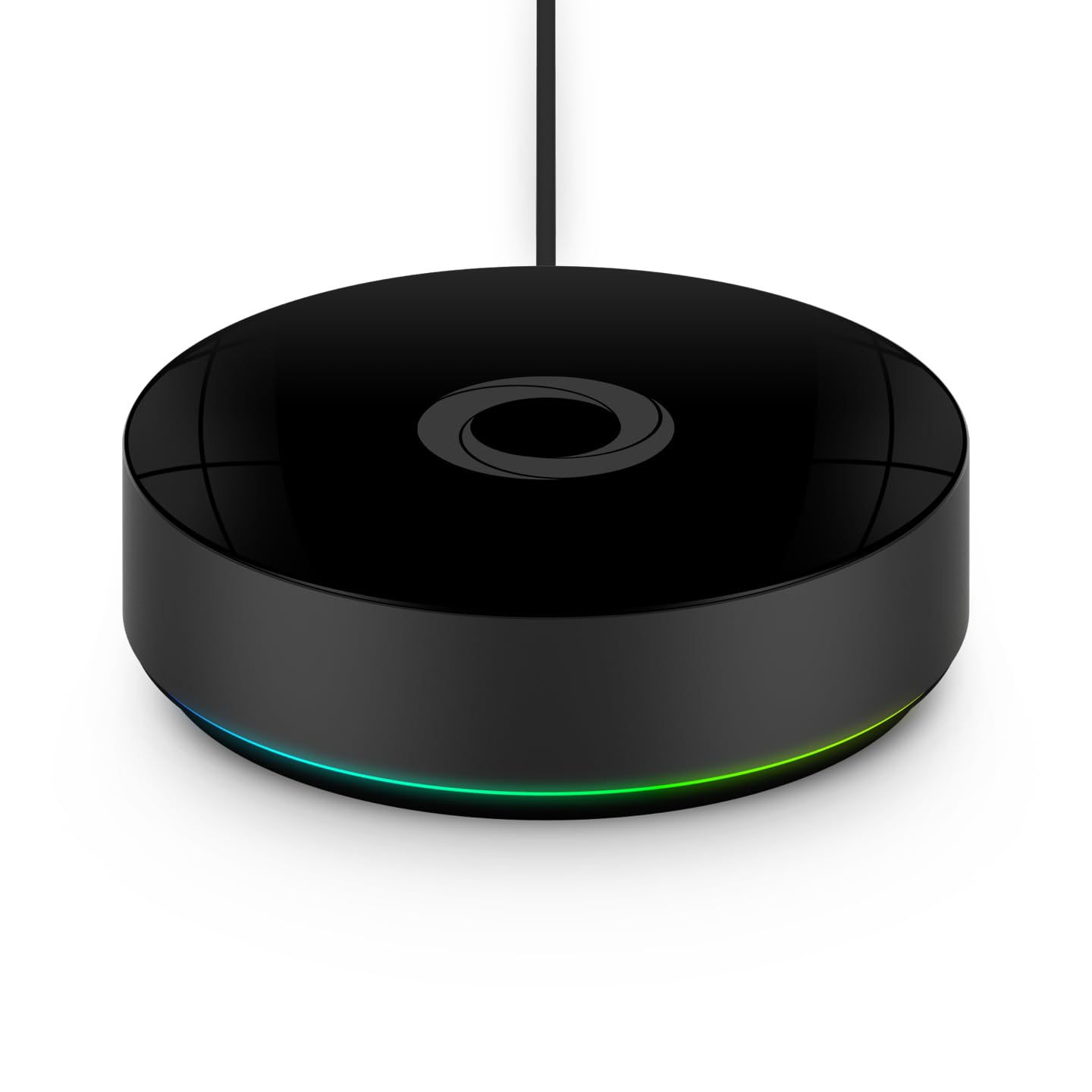 |
Over 50,000 devices from 1,000 brands |
|
|
| Aqara Smart Home Hub M3 |  |
Apple HomeKit, Alexa, SmartThings, Home Assistant, IFTTT |
|
|
| Aeotec Smart Home Hub |  |
SmartThings, Alexa, Google Assistant |
|
|
| Hubitat Elevation C-8 Pro | 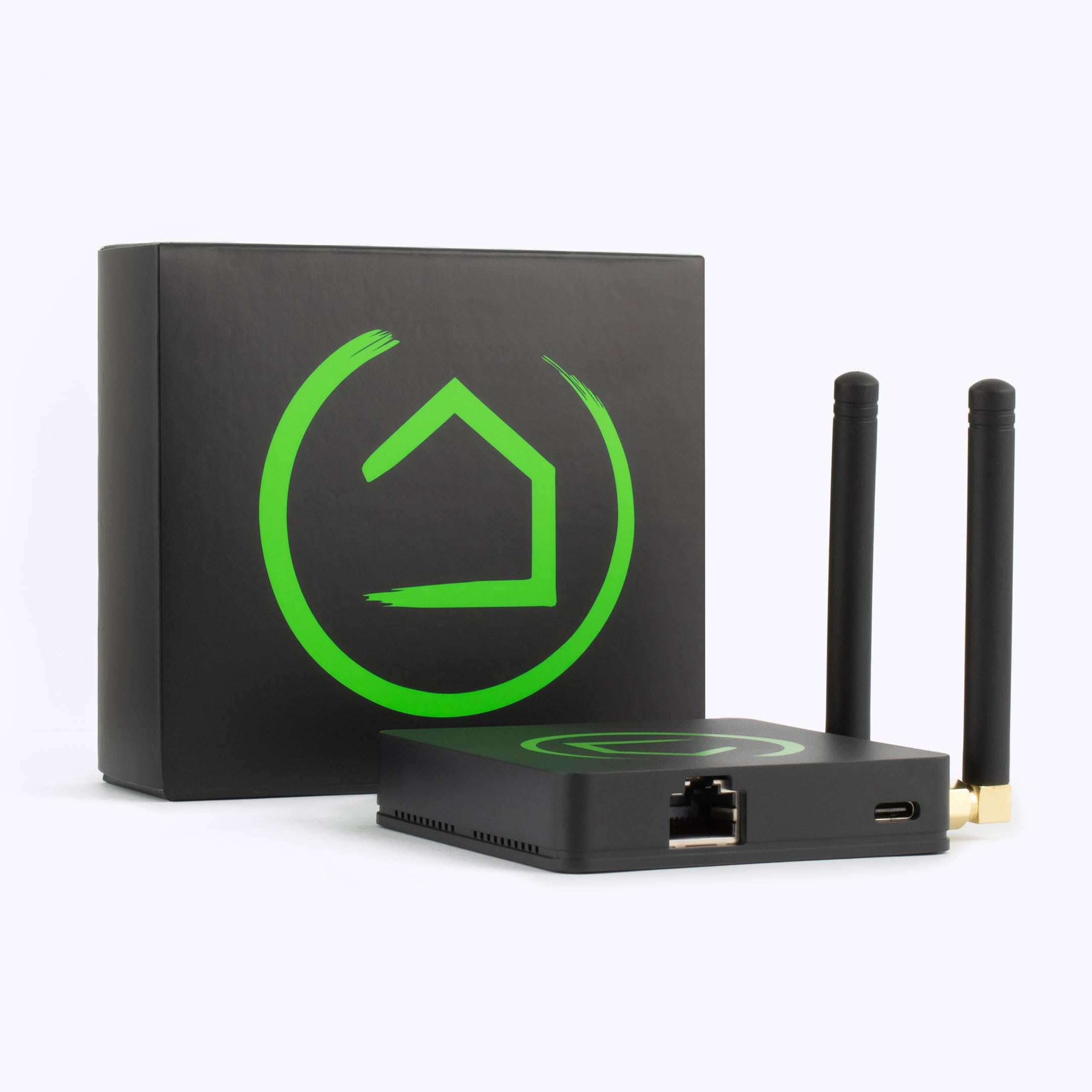 |
Ring, Alexa, Apple HomeKit, Google Home |
|
|
| Shelly Pro 3 | 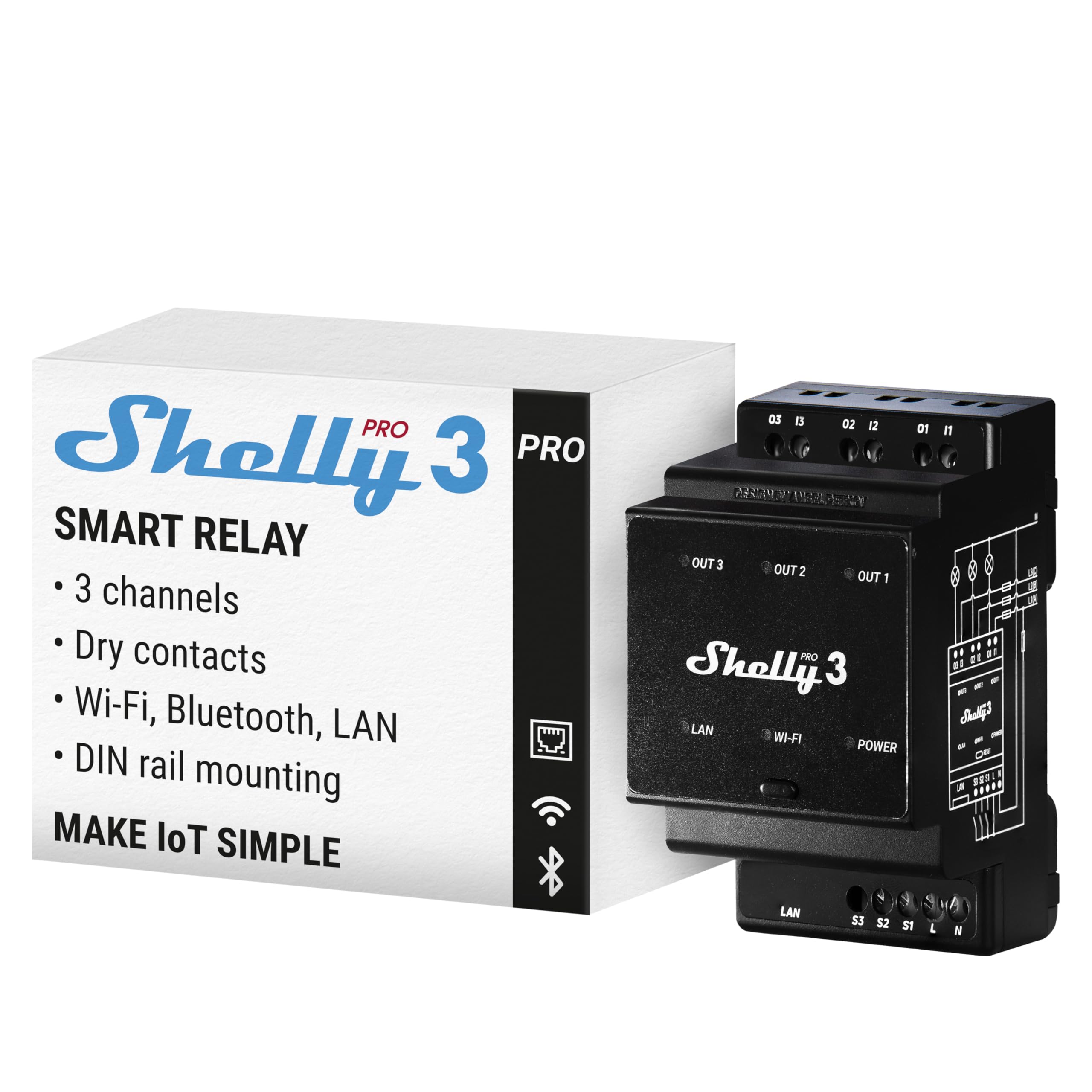 |
Alexa & Google Home |
|
|
| SONOFF NSPanel Pro 120 |  |
Works with Alexa, Google, Apple. |
|
|
| Amazon Echo Show 15 | 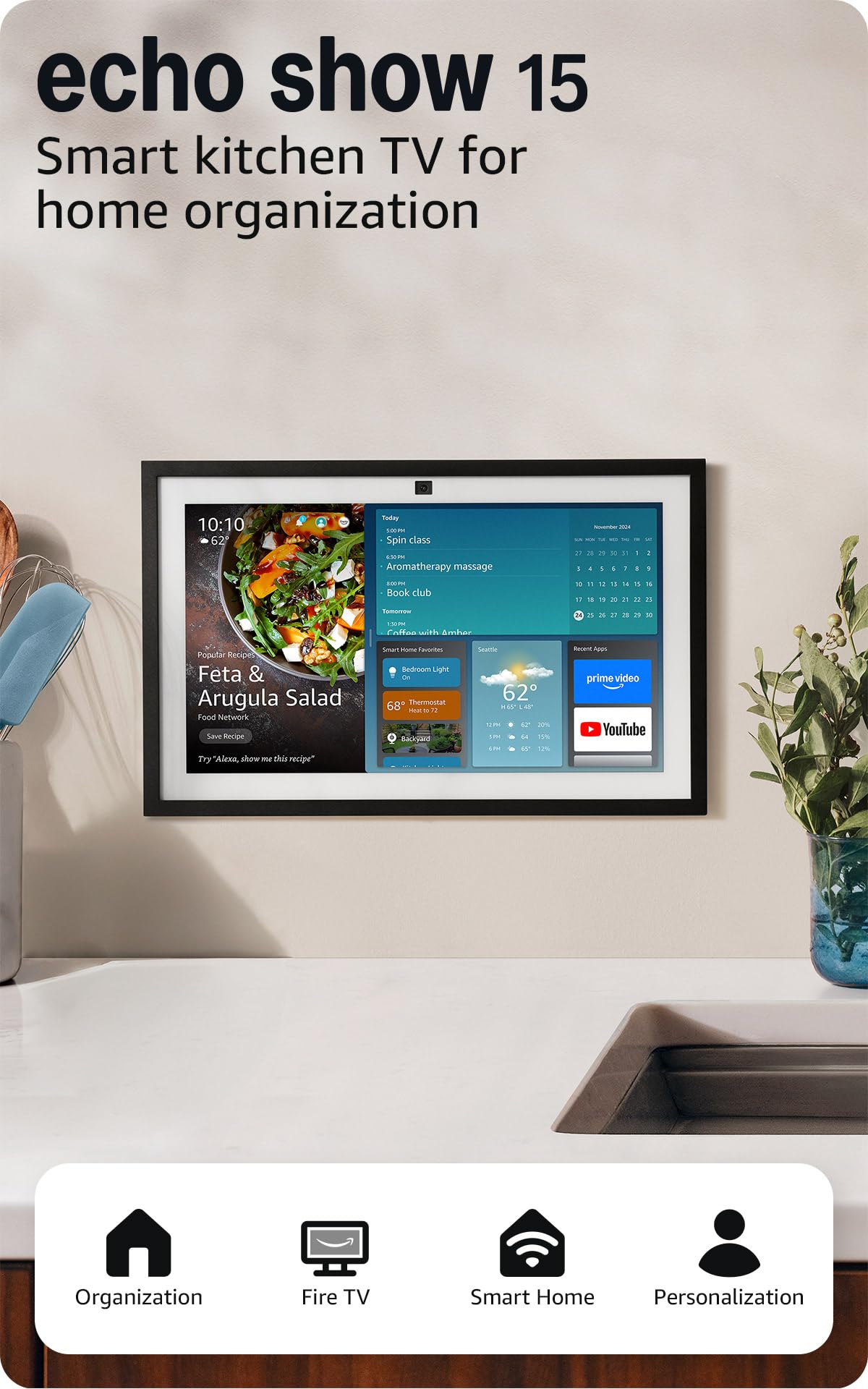 |
Zigbee, Matter, Thread |
|
|
Compare top smart locks for your home with key features, security options, and user reviews to make an informed choice for your family's safety.
Get ready for Independence Day with solar generators and portable power solutions. Ensure your celebrations are powered up and eco-friendly this holiday!
Maximize your summer sustainability with our ultimate guide to rechargeable AA batteries, featuring top brands, charging tips, and eco-friendly practices.