

Lead Generation Made Easy: An In-Depth Review of HeySummit
Streamline your lead generation with HeySummit. This in-depth review covers features, benefits, and strategies to maximize your event's impact.



Published: May 31, 2026
You want to get more done with less busywork this summer, and automation is one of the smartest ways to do that. Make is a visual automation platform that lets you design, build, and automate everything from simple tasks to complex enterprise workflows with no coding required.
This article helps you understand what Make does and how it can save you time, reduce mistakes, and let you focus on higher-value work.
You can think of Make as a visual workspace where you piece together automation flows without touching code. For everyday chores you might automate email attachments to cloud storage, sync leads between forms and your CRM, or post scheduled updates to team chat. For special projects you can string together multi-step campaigns, manage event reminders that branch by RSVP status, or route orders through different processes depending on inventory.
The interface favors drag-and-drop building and conditional paths, so you spend more time designing outcomes than wrestling with syntax. If your goal for the summer is to spend less time repeating tasks and more on creative work, Make is a practical tool to explore.
Pros |
Cons |
|---|---|
✅ Intuitive drag-and-drop builder that speeds creation |
❌ More advanced scenarios can take time to design |
✅ Powerful conditional logic for realistic processes |
❌ Some connectors require understanding of app-specific fields |
✅ Good set of prebuilt connectors to popular apps |
❌ Collaboration features are useful but can feel basic for large teams |
✅ Monitoring and logs help you track what ran and why |
You save time by turning repetitive steps into automated flows you set once and forget. Scheduled scenarios handle routine jobs overnight, branching logic removes manual decisions, and reusable modules mean you avoid rebuilding common patterns. That adds up to reclaimed hours you can spend on higher-value tasks or personal projects.
Feature |
Ease Level |
|---|---|
Visual Builder |
Easy |
Prebuilt Templates |
Easy |
Learning Curve for Complex Scenarios |
Moderate |
Error Handling & Logs |
Moderate |
Team Collaboration |
Easy |
Software |
Integration Quality |
|---|---|
Google Sheets |
Excellent |
Gmail |
Excellent |
Slack |
Very Good |
Airtable |
Very Good |
Shopify |
Good |
Make supports simple one-step automations up to multi-branch enterprise processes. You can map and transform data between apps, trigger flows from webhooks or schedules, and build conditional routes that reflect real-world choices.
Built-in logging and retry options let you follow up when something goes wrong, and modular scenarios make it easier to reuse parts of your automation library.
You will find Make approachable because it uses a visual, drag-and-drop canvas and offers many prebuilt templates and connectors that let you get something working quickly. More advanced automations introduce a moderate learning curve as you learn data mapping, conditional branches, and error handling, so start small and build confidence with a few simple scenarios.
Use test data and the run history to see how a flow behaves, and reuse modules once you have a pattern that works to speed future builds.
Make supports multi-step processes, infinite branching logic, webhooks, and data transformations, so it can model realistic business flows rather than just simple task automation. For larger or mission-critical workloads you should design with modular scenarios, include retry and error-handling paths, and monitor runs so you catch issues early. Be mindful of connector-specific limits and throughput characteristics and validate performance with a pilot before rolling a large automation into production.
Think about which apps you need to connect and whether Make has reliable connectors for them, how many runs you expect per day, and how much time you can invest in building and maintaining automations. Map your workflows first so you know triggers, data inputs, and desired outcomes, and prioritize automations that free up the most time.
Also check available support and documentation for the integrations you rely on and plan for governance so automations are named, versioned, and monitored consistently.
You choose Make because it lets you design and run automations without writing code, using a visual canvas that makes mapping processes straightforward. It scales from quick everyday tasks to multi-branch workflows, connects to a wide range of apps, and gives you tools to inspect runs so you can trust automation to handle routine work while you focus on higher-value tasks.
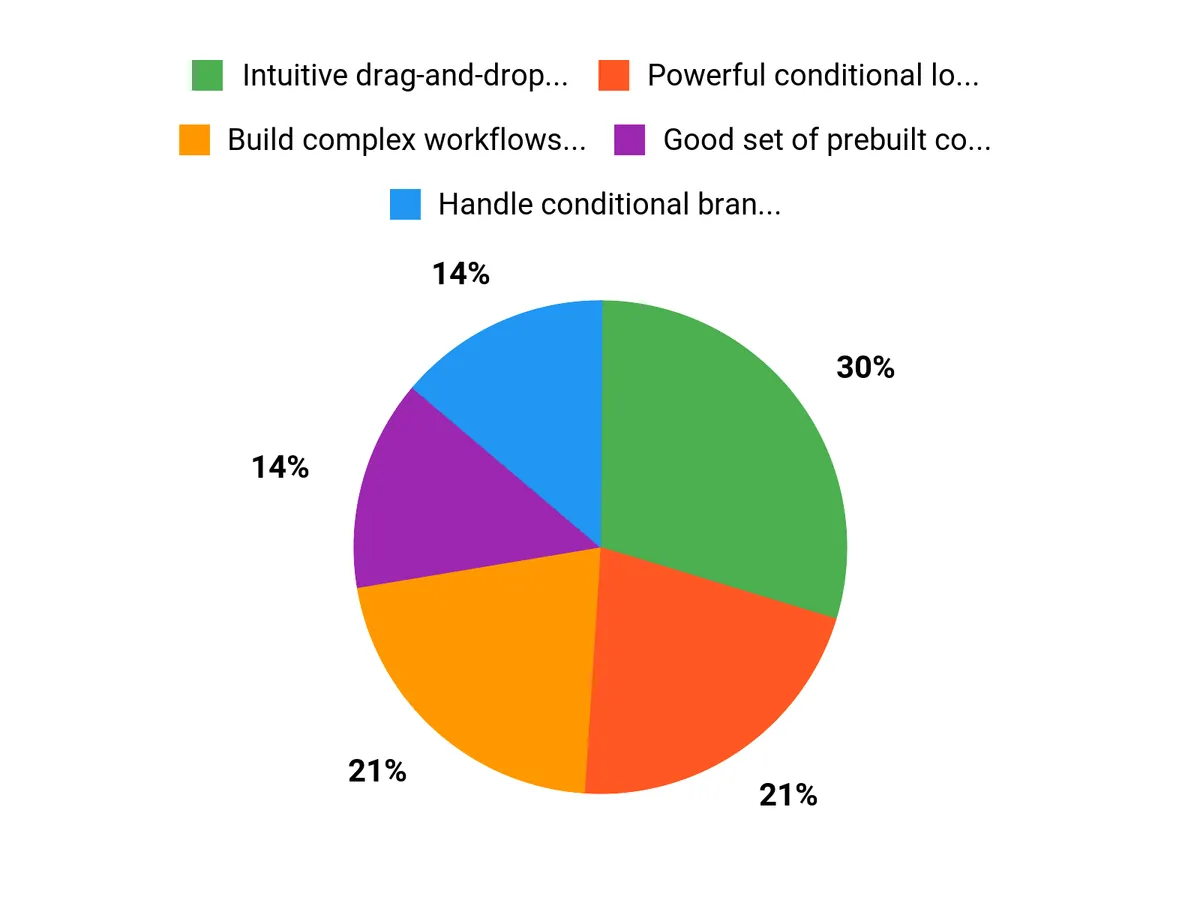
Make is a solid choice if you want to automate both routine tasks and complex processes without writing code. You can use its visual canvas to map flows quickly, connect many apps, and handle branching logic so automations reflect real-world decisions.
If your goal is to free up time this summer and reduce manual steps in projects or operations, Make helps you do that while giving you tools to monitor and refine workflows as you scale.
Streamline your lead generation with HeySummit. This in-depth review covers features, benefits, and strategies to maximize your event's impact.

Elevate your coaching this autumn with Teachable's powerful tools and features designed to enhance your online courses and engage your audience effectively.

Uncover the top sales funnel software trends for the holiday season, enhancing your marketing strategy and boosting conversions for maximum holiday sales.