

Lead Generation Made Easy: An In-Depth Review of HeySummit
Streamline your lead generation with HeySummit. This in-depth review covers features, benefits, and strategies to maximize your event's impact.



Published: August 23, 2026
You need reliable automation to keep holiday tasks from overwhelming you, and Make delivers a visual, no-code way to do that. By letting you design complex workflows with infinite branching logic, Make helps you save time and reduce holiday stress so you can focus on higher-value work and customer experiences.
You can use Make to string together apps and tasks visually, so you stop juggling spreadsheets and manual copy-paste when the season gets busy. The canvas-based editor shows how data flows between steps, which makes it easier to spot and fix issues. For everyday use you might automate order confirmations, sync customer info, or route support questions. For special occasions like holiday promotions or flash sales you can branch logic to handle exceptions, pause sequences for approval, and reuse templates so you don’t rebuild workflows from scratch.
If you want a flexible tool that keeps you in control without needing to write code, Make is worth trying for your holiday automation needs.
Pros |
Cons |
|---|---|
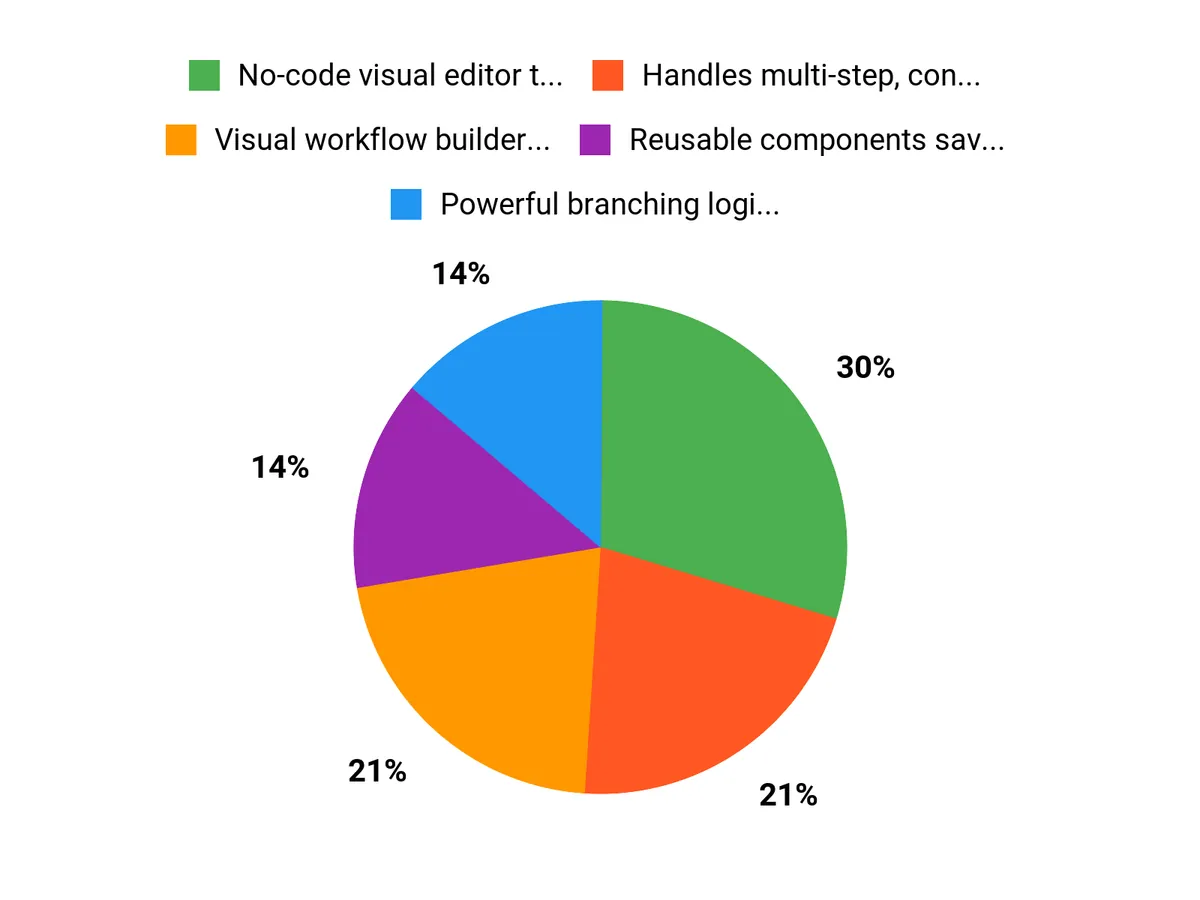
✅ No-code visual editor that lowers the learning barrier |
❌ Advanced scenarios can get intricate and require careful testing |
✅ Handles multi-step, conditional processes reliably |
❌ Some integrations may require extra configuration |
✅ Reusable components save setup time |
Situation |
How It Helps |
|---|---|
Small Business Holiday Promotions |
You can automate campaign triggers, segment customers, and push targeted messages when inventory or dates change so promotions run smoothly without manual oversight. |
High-Volume Order Periods |
Make routes orders to fulfillment, updates tracking info across systems, and alerts teams to exceptions so orders keep moving even when volume spikes. |
Customer Support Surges |
You can prioritize tickets, enrich conversations with CRM data, and route queries to the right team so responses stay timely under pressure. |
Family or Personal Event Planning |
Automate RSVP tracking, shared checklists, and reminders so you spend less time coordinating and more time enjoying the occasion. |
By replacing routine manual steps with automated sequences you reclaim hours each week. Templates and reusable modules mean you can copy proven workflows into new scenarios, and conditional branching prevents manual triage when exceptions occur.
Feature |
Ease Level |
|---|---|
Visual Builder |
Easy |
Prebuilt Templates |
Easy |
Debugging Tools |
Moderate |
Learning Curve for Complex Logic |
Moderate |
Software |
Integration Quality |
|---|---|
Shopify |
Excellent |
Gmail |
Very Good |
Slack |
Very Good |
Google Sheets |
Good |
Salesforce |
Robust |
You manage flows visually with clear steps, conditional paths, and scheduling. Versioning and reusable modules let you iterate safely, and logging helps you trace data when something goes off script.
It’s designed so you can scale processes from simple automations to multi-branch operations without losing oversight.
Yes, you can get started with Make even if you are not a developer. The platform uses a visual builder so you connect steps on a canvas instead of writing code, and there are templates to copy and adapt for common tasks.
Expect a short learning curve when you move beyond simple flows; complex branching or data transformations require attention and testing. A practical approach is to begin with a template, run it on a small dataset, and use the built-in execution log to see how data moves through each step.
Make connects to a wide range of apps through prebuilt modules and also supports webhooks and HTTP requests for services without native connectors, so you can link things like e-commerce platforms, email, chat, and spreadsheets. You generally authenticate each service with API keys or OAuth, and some integrations need a bit of configuration to map fields correctly.
Before you flip a workflow into production, test it with sample records, validate field mappings, and watch for rate limits or polling delays that could affect timing.
Plan for reliability by adding error handling, retries, and clear logging to every critical path so you can spot and fix issues quickly. Use versioning and reusable modules so you can roll back changes and avoid rebuilding common steps. Schedule heavier jobs during off-peak windows when possible, set alerts to notify you of failed runs, and test workflows under realistic volumes before peak days. Keeping templates simple and monitoring execution history will reduce surprises when demand spikes.
You’ll choose Make because it gives a visual, no-code way to build both simple and complex workflows with flexible branching so you can automate holiday tasks without hiring developers. Its wide app connectivity and reusable templates make it easy to tie systems together and redeploy proven flows quickly when volume spikes.
Make is a strong choice if you need a visual, no-code platform to automate holiday workflows and reduce operational stress. You can design complex branching logic, connect the tools you rely on, and deploy reusable templates that keep processes consistent during peak periods.
If your goal is to free up time and avoid manual firefighting over the holidays, Make gives you the flexibility and reliability to do that without writing code.
Streamline your lead generation with HeySummit. This in-depth review covers features, benefits, and strategies to maximize your event's impact.

Elevate your coaching this autumn with Teachable's powerful tools and features designed to enhance your online courses and engage your audience effectively.

Uncover the top sales funnel software trends for the holiday season, enhancing your marketing strategy and boosting conversions for maximum holiday sales.