

Lead Generation Made Easy: An In-Depth Review of HeySummit
Streamline your lead generation with HeySummit. This in-depth review covers features, benefits, and strategies to maximize your event's impact.



Published: July 14, 2026
You want to free up time and reduce manual work without learning to code. Make is a visual automation platform that lets you design, build, and automate anything from simple tasks to complex enterprise workflows. With a drag-and-drop interface and infinite branching logic, you can connect apps, transform data, and orchestrate processes so routine work runs reliably in the background.
You can use Make to string together apps and actions with a visual canvas that feels more like drawing than scripting. For everyday use you might automate repetitive tasks like syncing contacts, updating spreadsheets, or routing notifications so you spend less time on busywork. For special projects you can orchestrate multi-step processes, handle conditional routing, and transform data between systems so events trigger the right follow-up.
The interface keeps things approachable while giving you room to grow into more complex flows, so you can start small and expand as your needs evolve. If you want a practical way to cut down on manual steps without learning code, Make is worth trying.
Pros |
Cons |
|---|---|
✅ Intuitive visual builder that lowers the barrier to automation |
❌ Advanced scenarios can get complex to manage visually |
✅ Flexible branching and data transformation options |
❌ There can be a learning curve when combining many modules |
✅ Large set of connectors to common business and productivity tools |
❌ Some niche integrations may require workarounds |
✅ Good error handling and monitoring for production workflows |
Feature |
Ease Level |
|---|---|
Visual Builder |
Very Easy |
Templates |
Easy |
Learning Curve for Complex Flows |
Moderate |
Error Handling |
Moderate |
Software |
Integration Quality |
|---|---|
Google Sheets |
Excellent |
Slack |
Very Good |
Shopify |
Very Good |
Airtable |
Excellent |
You get powerful automation features like conditional branching, data mapping and transformation, scheduled runs, webhooks, and triggers across many services. The platform supports retries and error paths so workflows remain resilient, and you can build nested logic that scales from simple one-off automations to multi-step enterprise processes.
You can get up and running quickly because Make uses a visual builder that feels more like arranging blocks than writing code. Start with a template or connect one app at a time, test the flow with sample data, and give each module clear names so you understand the logic as it grows.
A practical tip is to build a small, single-purpose automation first to learn how triggers and actions behave before combining them into larger workflows.
Yes, Make supports advanced scenarios with branching and conditional logic, nested flows, and data transformations that let you model multi-step processes. To keep complexity manageable, break large processes into reusable modules, plan error paths and retries, and use clear naming and documentation so other people can follow your logic. Be mindful of API rate limits and connector-specific behaviors when you scale, and use monitoring to spot bottlenecks early.
You troubleshoot by reviewing the execution history and logs to see where a flow failed and replaying runs with test data to isolate issues. Add explicit error handlers and notifications for failures so you’re alerted when something needs attention, and keep flows tidy with consistent naming and version notes to simplify future edits. Rely on the documentation and community for examples, and schedule occasional audits of key automations to ensure connectors and data mappings still behave as expected.
You’ll choose Make because its visual, drag-and-drop builder lets you automate tasks without writing code, so you can move from idea to a working workflow quickly. It pairs approachable design with powerful features like conditional branching and broad integrations, letting you scale simple automations into robust, multi-step processes while keeping control and visibility.
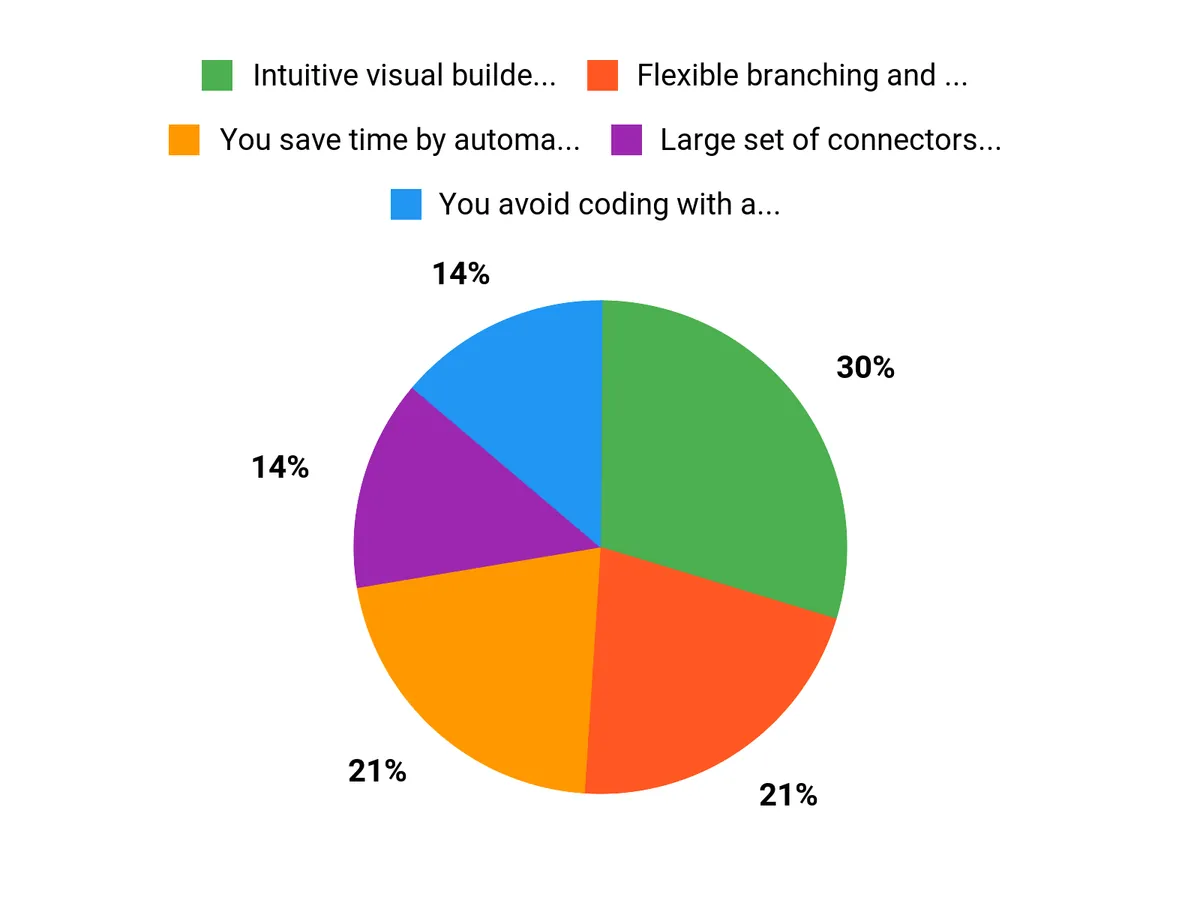
Make helps you automate repetitive work by letting you visually compose sequences, conditions, and data transforms that run without manual intervention. If you want to reduce errors, speed up processes, and connect disparate tools into reliable workflows, Make gives you the building blocks and integrations to do that without writing code.
You can start with simple automations and scale to complex, enterprise scenarios while keeping control over logic and error handling.
Streamline your lead generation with HeySummit. This in-depth review covers features, benefits, and strategies to maximize your event's impact.

Elevate your coaching this autumn with Teachable's powerful tools and features designed to enhance your online courses and engage your audience effectively.

Uncover the top sales funnel software trends for the holiday season, enhancing your marketing strategy and boosting conversions for maximum holiday sales.