

Navigating the Crypto World: A Look at CryptoHero and Biyond
Uncover the features and benefits of CryptoHero and Biyond, two innovative platforms shaping the future of cryptocurrency trading and investment strategies.



Published: August 13, 2026
You want to move faster and reduce manual busywork as your fall projects pick up, and automation is the most direct way to free your time for planning and execution. Make is a visual automation platform that lets you design, build, and automate tasks from simple actions to complex enterprise workflows with infinite branching logic and no coding required, so you can turn repetitive processes into reliable, repeatable flows that run in the background while you focus on outcomes.
You can use Make to remove repetitive steps from your day so you spend time on the work that matters. Its visual canvas lets you string together triggers and actions without writing code, which makes automations approachable whether you handle personal projects or coordinate a team. For everyday use you might automate new lead routing, file backups, or calendar updates, and for seasonal or one-off efforts you can build launch checklists, event workflows, or marketing sequences that run reliably. Start with a small template, tweak the logic to match how you work, and grow that into branched flows that adapt as plans change.
If you want control without the headache of scripting, Make is a practical option to try.
Pros |
Cons |
|---|---|
✅ No-code visual interface makes automations accessible |
❌ Complex flows can still require careful debugging |
✅ Flexible branching and error handling for robust workflows |
❌ Some advanced use cases may need familiarity with APIs |
✅ Template library and community resources to speed onboarding |
Situation |
How It Helps |
|---|---|
Managing a busy content calendar |
You can automatically publish posts, notify collaborators, and update assets across platforms so deadlines stay visible and manual handoffs disappear. |
Coordinating an event or product launch |
You can chain registrations, reminders, resource provisioning, and post-event follow ups into one reliable sequence that runs on schedule. |
Keeping data in sync across tools |
You can map fields between apps and handle conditional updates so spreadsheets, CRMs, and project trackers stay consistent without manual copy-paste. |
Handling customer or lead routing |
You can parse incoming requests, enrich records, and assign tasks to the right person based on rules, reducing response time and lost items. |
Feature |
Ease Level |
|---|---|
Visual Canvas |
Easy |
Prebuilt Templates |
Easy |
Complex Branching |
Moderate |
Debugging & Logs |
Moderate |
Advanced API Actions |
Advanced |
Software |
Integration Quality |
|---|---|
Google Workspace |
Prebuilt |
Slack |
Prebuilt |
HTTP / APIs |
Extensive |
CRMs (e.g., HubSpot) |
Prebuilt / API |
File storage (Drive, Dropbox) |
Prebuilt |
You design flows visually and can add conditional branches, error handlers, and scheduled triggers so your processes mirror real-world decisions. Version control and testing tools let you validate changes before they run broadly, and logs help you trace failures so you can fix issues without guessing. That means you can iterate on automations safely as project needs evolve.
You will find Make approachable if you prefer visual tools because the canvas lets you build flows by connecting modules rather than writing code. Start with a template or a small single-step automation so you can see how triggers and actions work, use the built-in logs to watch runs, and consult the community and documentation when you hit a blocker. Expect a gentle learning curve for basic automations and a bit more time when you model complex branching or integrate custom APIs.
Make supports many popular apps out of the box, including collaboration, file storage, and CRM tools, and you can extend it via HTTP requests and APIs for services that don’t have prebuilt connectors. Before you build a big workflow, verify the connector supports the fields and actions you need and test with sample data so you avoid surprises.
If you rely on a bespoke system, use webhooks or the API module and plan a small prototype to confirm reliability.
You can make workflows more robust by implementing error handling and logging, setting retries and alerting on failures, and testing changes in a sandbox before pushing them live. Manage credentials with scoped service accounts, restrict access to the automation editor, and monitor run histories so you spot regressions early.
Small, modular scenarios are easier to maintain than one giant flow, so build with reuse and observability in mind.
You choose Make because its visual, no-code canvas lets you build and adjust automations quickly so repetitive tasks stop stealing your time. Its robust branching logic, wide integrations, and templates let you scale from simple daily routines to complex project workflows while keeping control and observability.
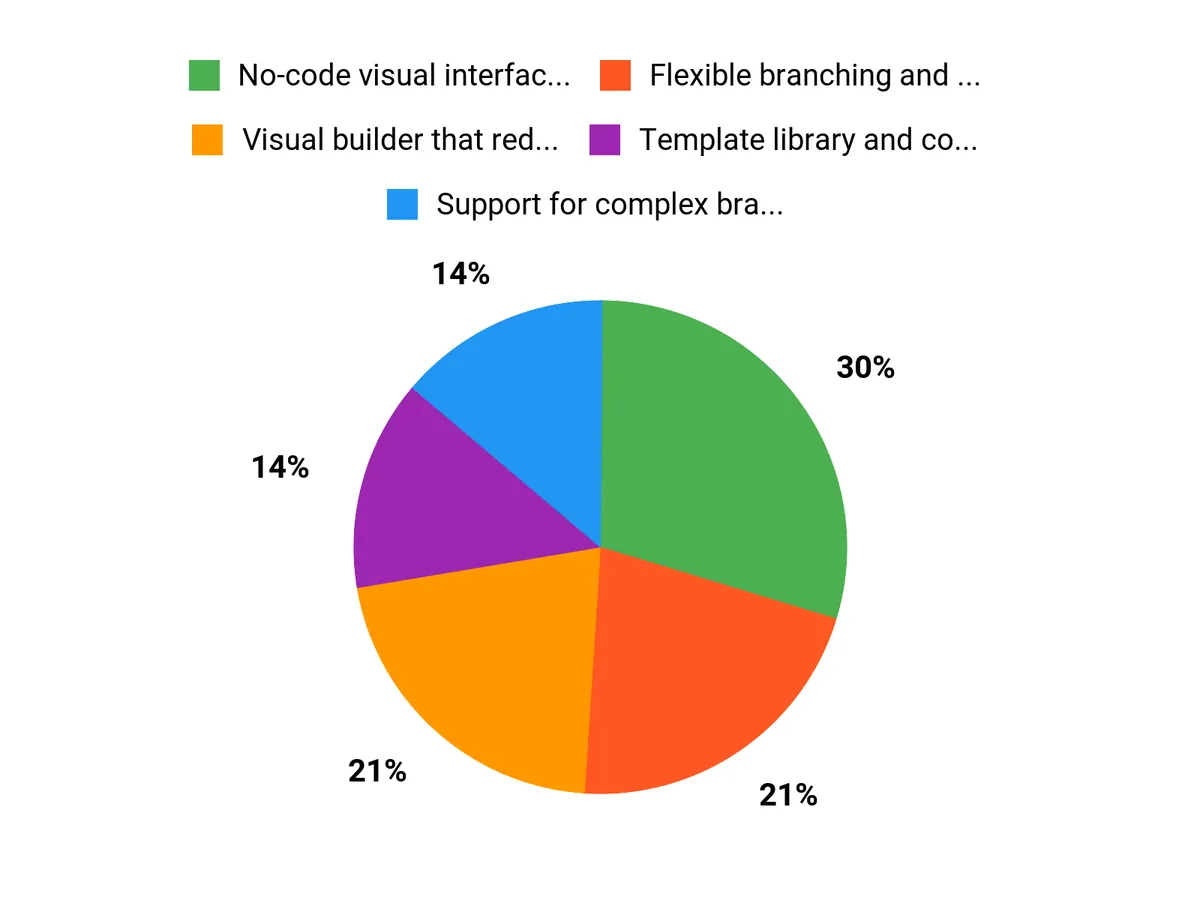
If you need to streamline recurring tasks and coordinate multi-step fall projects, Make gives you a visual, no-code environment to build automations that adapt as your plans evolve. You can start with simple triggers and grow into sophisticated, branched workflows that integrate with many services, letting you reclaim time and reduce errors while keeping control over logic and behavior.
Uncover the features and benefits of CryptoHero and Biyond, two innovative platforms shaping the future of cryptocurrency trading and investment strategies.

Transform your online store with Selldone's innovative features, enhancing user experience, boosting sales, and streamlining operations for e-commerce success.

Boost your productivity this fall with Chatbase, your AI assistant designed to streamline tasks, enhance organization, and optimize your workflow effortlessly.