
Can ACE Studio 2.0 Fix What’s Missing From Your Music?
ACE Studio 2.0 enhances your music production with advanced tools and features, addressing gaps in sound quality and creativity for a polished final product.



Published: December 04, 2025
You rely on visuals to communicate your brand, persuade customers, and speed up content creation. Using royalty-free stock photos, vectors, videos, and music helps you stay professional while avoiding legal headaches.
This guide explains how to pick assets, understand licenses, and optimize visuals so you save time and keep your brand consistent across campaigns.
The search and filters are simple enough that you don’t have to be a designer to get good results, and vectors make resizing and adapting graphics much easier. If you want a dependable source for mixed media assets that keeps your brand looking consistent, it’s a practical option to keep on your shortlist.
Pros |
Cons |
|---|---|
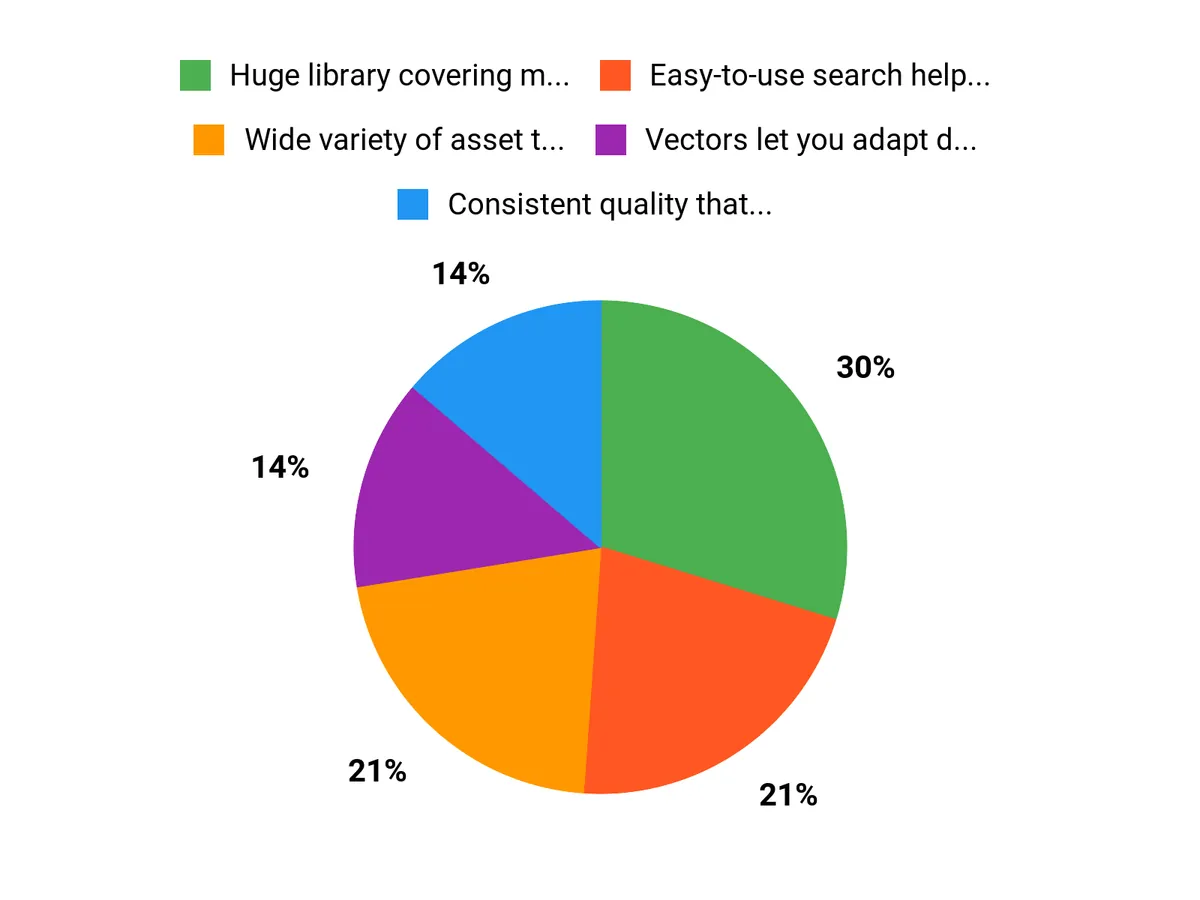
✅ Huge library covering many styles and subjects |
❌ Some very specific or niche visuals may be limited |
✅ Easy-to-use search helps you find usable assets quickly |
❌ You may see common images used by others, so uniqueness can vary |
✅ Vectors let you adapt designs without loss of quality |
❌ Licensing options can feel overwhelming at first |
✅ Includes music and sound effects for richer content |
Check out the APPSUMO Deal!
Long-Term Cost Benefits
Using a single, reliable source for images and media can lower your long-term costs by cutting the time you spend searching, avoiding repeated hiring for basic shoots, and reducing legal risk with clear licensing. Reusable vectors and templates reduce design hours over time, and having music and SFX in the same library speeds up multimedia production.
ROI comes from faster turnaround on marketing materials, fewer last-minute content gaps, and better brand consistency across campaigns. The time you save finding and adapting assets often pays back in fewer design hours and quicker campaign launches, plus fewer licensing headaches.
Depositphotos handles common content problems like last-minute image needs, mismatched aspect ratios (use vectors and crop-ready photos), and finding background music for quick videos. It’s also useful when you need legal clarity for commercial use, since built-in licensing options reduce uncertainty.
Wide variety of asset types (photos, vectors, videos, music, SFX)
Consistent quality that’s easy to use across projects
Good search and filter tools to find relevant images fast
Vectors and illustrations that scale without quality loss
Music and sound effects bundled with visual assets for multimedia
Rating: 4.5
Royalty-free means that once you obtain a license for an image or vector, you can reuse it multiple times without paying ongoing royalties, but it does not mean unlimited, unrestricted use. You should always check whether the asset is marked for commercial or editorial use, whether a model or property release is included for identifiable people or private locations, and whether the license limits redistribution, incorporation into templates for resale, or trademark use. Keep a copy of the license and the image ID for your records so you can prove permission later, and use preview watermarks only until you have the licensed file. Platforms like Depositphotos display license details and release information, which helps you confirm permitted uses before you deploy an asset.
You pick based on function and flexibility: photos are best when you need realistic scenes, lifestyle shots, or rich textures, while vectors excel for logos, icons, illustrations, and any element that must scale cleanly across sizes. For print, get high-resolution rasters with appropriate DPI and for large-format work consider vectors because they stay sharp at any size; for web, choose optimized JPEG or PNG for photos and SVG for scalable vectors.
Also check file formats and color modes—use RGB for screens and convert to CMYK for professional print—and download the highest-quality source you can so you have room to crop, recolor, or retouch without losing fidelity. Use vectors for scalable graphic elements and photos for realistic imagery to keep your brand consistent across touchpoints.
Start by confirming the exact license type—standard versus extended—and whether the intended use (packaging, merchandise, high-distribution advertising) requires an extended license. You can crop, colorize, combine, and add text to most royalty-free assets, but you should not redistribute the original file as a competing stock item or create a standalone product that simply reproduces the image for resale. Avoid using images of identifiable people as part of a logo or trademark unless expressly permitted, and always check for model and property releases if the subject is a person or private property. For workflow safety, keep documentation of the license, use only licensed assets (not watermarked previews), proof colors and resolution before final printing, and optimize files for web performance so your pages load quickly.
Always check the specific license and keep documentation so you can scale usage confidently and avoid legal surprises.
You choose Depositphotos because it gives you a massive, high-quality library of royalty-free photos and vector images with clear, business-friendly licensing and affordable plans that make scaling creative work simple. Its intuitive search and filtering, multiple file formats, and flexible subscription or on-demand options let you quickly find and use the right assets for marketing, web, and print without licensing headaches.
By using a reputable royalty-free library like Depositphotos, you reduce legal risk and speed up creative work while keeping visual consistency across campaigns. Prioritize licensing clarity, accurate keywords, and the right file formats so you can scale designs quickly.
If you need a single source for photos, vectors, video, and music, a comprehensive library simplifies workflows and helps you deliver polished, on-brand content.
ACE Studio 2.0 enhances your music production with advanced tools and features, addressing gaps in sound quality and creativity for a polished final product.

Uncover how WordRocket addresses the core issues behind low traffic for your AI-generated content, boosting visibility and engagement effectively.

Uncover the innovative features of the Youbooks Ebook Generator, transforming the writing process with AI-driven tools for authors and content creators.