
How to Choose Between 2 Leading Smart Locks for Your Home
Compare top smart locks for your home with key features, security options, and user reviews to make an informed choice for your family's safety.



Published: May 28, 2026
You are building a connected home so your devices work together reliably, securely, and with less friction. Choosing the right smart hub matters because it determines how well your lights, locks, sensors, speakers, and voice assistants communicate and how much control you retain over automation and privacy. This guide helps you cut through marketing noise so you can pick a hub that fits your devices, technical comfort level, and long term plans.
You should focus first on compatibility because a hub that supports the protocols your devices use saves time and frustration. Look for support for Zigbee, Z Wave, Thread, Matter, Bluetooth, and Wi Fi as relevant to your existing and planned devices. Next consider control model and privacy.
If you want responsive local automations and reduced cloud dependence, prefer hubs that offer local processing and clear privacy policies. Ease of setup and day to day use matters if you are not a tinkerer. Some hubs prioritize a polished app and voice assistant integration while others expose deep customization for power users.
Automation and customization are a separate axis. If you want complex rules and conditional logic, prioritize platforms known for robust automation engines.
Finally evaluate connectivity options and value. Built in Ethernet, reliable Wi Fi radios, and Mesh or Thread border router capabilities improve stability, and you should weigh those technical features against the price so you get long term value for $159.99 to $399.00 class devices.
If you care about both sound quality and simple smart home control, this HomePod blends the two in a compact package. You get warm, room‑filling audio for everyday listening and small gatherings, plus Siri to skip tracks, set timers, and manage compatible devices without pulling out your phone. It also acts as a modern hub, handling Thread and Matter so newer devices work together more smoothly.
In practice that means you can use it as a primary speaker for the living room, an intercom for quick checks across the house, and a convenient controller for lights and locks when you’re already inside the Apple ecosystem. If you want a straightforward experience where audio and home control feel integrated, this is a sensible pick; if cross‑platform tinkering is your main goal, you may still pair it with another hub to cover niche devices that aren’t smart hubs matter enabled yet.
Situation |
How It Helps |
|---|---|
Daily Listening |
You get rich sound for podcasts, background music, and ambient playlists while using Siri to control playback hands-free. |
Entertaining Guests |
It fills a room with clear audio and lets you quickly switch sources or start multi-room playback with voice or AirPlay. |
Smart Home Control |
Place it centrally and you can command HomeKit devices, run scenes, and use intercom features without pulling up an app. |
Gradual Upgrades |
As you add Thread and Matter devices, the HomePod helps keep new products working together while you expand your setup. |
Feature |
Ease Level |
|---|---|
Out-of-box Setup |
Easy |
Voice Commands and Intercom |
Easy |
App Customization |
Moderate |
Advanced Integrations |
Moderate |
This device acts as both a high-quality speaker and a smart home controller. It suits living rooms, kitchens, and shared spaces where you want audio plus simple voice control, and it plays nicely with other AirPlay speakers for multi-room setups.
Platform |
Compatibility Level |
|---|---|
Apple Ecosystem (HomeKit, iPhone, iPad, Mac) |
Excellent |
Matter Devices |
Good |
Thread Devices |
Good |
Third-Party Voice Platforms (Alexa, Google) |
Limited |
The HomePod is designed to be efficient for its class, using automatic room sensing so it delivers the right amount of power for the space. It remains always reachable for Siri, which is convenient but means there’s a small baseline power draw compared with fully off devices.
Feature |
Protection Level |
|---|---|
On‑device Siri Processing For Some Requests |
High |
End-to-end Encryption for HomeKit Data |
High |
Regular Software Updates From Apple |
High |
Local Network Controls |
Good |
If you want a hub that gives you control rather than the other way around, Home Assistant Green is built for that mindset. You run the Home Assistant OS on compact, official hardware so automations live on your network and respond fast.
For everyday use you can automate lights, climate, and notifications without relying on a cloud service, and for special occasions you can chain scenes, audio, and lights to create mood setups that trigger automatically. Because it’s the official device, setup is smoother than a DIY server but you still get the flexibility to add integrations, community add-ons, and advanced scripts as your needs evolve. If you value privacy, local control, and the freedom to tinker while keeping a friendly interface, this box is a practical anchor for a smart home that will handle new smart hubs matter enabled devices as they arrive.
Situation |
How It Helps |
|---|---|
Daily Routines |
You can automate morning lights, thermostat adjustments, and notifications so your home adapts to your schedule without manual inputs. |
Hosting and Events |
Create multi-device scenes that set lighting, audio, and shades for a consistent ambiance when guests arrive. |
Troubleshooting Devices |
Having a local hub makes it easier to isolate network issues and test device behavior without cloud dependencies. |
Privacy-Conscious Setups |
Sensitive automations and logs stay on your network, reducing data exposure compared with cloud-first services. |
Feature |
Ease Level |
|---|---|
Initial Setup |
Easy |
Creating Basic Automations |
Moderate |
Installing Community Add-ons |
Moderate |
Advanced Scripting |
Advanced |
Home Assistant Green handles everything from simple on/off automations to complex multi-device workflows. It’s equally at home coordinating lights and sensors for daily comfort or orchestrating multi-room audio and lighting for parties, and it scales as you add devices and integrations.
Platform |
Compatibility Level |
|---|---|
Home Assistant Integrations |
Excellent |
Matter Devices |
Good |
Voice Platforms (Alexa, Google) |
Good |
Legacy Protocols (Zigbee, Z-Wave via adapters) |
Moderate |
Designed as a low-power appliance, this device stays on continuously with a minimal energy footprint while delivering persistent local services and reducing the need for energy-hungry cloud interactions.
Feature |
Protection Level |
|---|---|
Local Control and Processing |
High |
Secure Network Connectivity (HTTPS, SSH options) |
High |
Regular Updates Via Home Assistant |
Good |
Community Transparency and Auditability |
Good |
You get a hub that aims to be the single nervous system for a mixed-brand home. Homey Pro supports a wide set of radio standards so it can bridge older Z‑Wave or Zigbee gear with newer Matter and Thread devices, which helps when your collection grows organically.
For daily life you can use the app or voice to control lights, climate, and scenes, and for special occasions you can chain dozens of devices into a single flow to set mood lighting, music, and shades at once. It’s designed for people who want broad compatibility without running multiple hubs, so if you like the idea of one device handling many protocols it will appeal to you.
Keep in mind that deep setups require some patience during initial pairing, but once things are in place the flexibility means you can add devices even as more smart hubs matter enabled products appear on the market.
Situation |
How It Helps |
|---|---|
Mixed-Brand Homes |
You can connect devices from different manufacturers without needing separate bridges, reducing clutter and app juggling. |
Growing Setups |
As you add new smart devices, the hub’s broad protocol support makes it easier to integrate them without replacing existing hardware. |
Automated Events |
Create flows that coordinate lights, audio, and climate for parties or quiet evenings with a single trigger. |
Transitioning to Matter |
It helps you adopt Matter and Thread devices while still supporting legacy devices that have not moved to the new standards. |
Feature |
Ease Level |
|---|---|
Initial Pairing |
Moderate |
App Navigation |
Easy |
Building Automations |
Moderate |
Managing Large Device Fleets |
Advanced |
This hub is built to handle everything from single-room control to whole-house automation. You can use it for simple voice commands or craft complex sequences that involve dozens of devices, making it a solid choice if you want one hub to adapt as your needs evolve.
Platform |
Compatibility Level |
|---|---|
Z-Wave Plus |
Excellent |
Zigbee |
Excellent |
Matter & Thread |
Excellent |
Wi‑Fi and BLE Devices |
Good |
Designed to run continuously, Homey Pro is reasonably efficient for a hub of its class, but expect a steady baseline power draw while it maintains device connectivity and automation availability.
Feature |
Protection Level |
|---|---|
Local Automation Execution |
High |
Secure Cloud Options |
Good |
Regular Firmware Updates |
Good |
Granular Device Permissions |
Moderate |
You get a hub built for reliability and local control. Hubitat Elevation C-8 Pro is aimed at people who want automations to run even when the internet is flaky, and it supports modern standards like Matter 1.5 alongside long-range Z-Wave and Zigbee. For everyday use you can keep lights, locks, and switches responsive to local triggers.
For special occasions you can craft sequences that coordinate many devices without waiting on cloud services. It rewards patients who like to customize rules and dig into options, and it integrates with popular voice platforms when you want voice control.
As more smart hubs matter enabled devices become common, this model gives you a stable, local backbone that keeps your home behaving the way you expect.
Situation |
How It Helps |
|---|---|
Power or Internet Outage |
Automations and critical device control continue to run because logic executes on your local network. |
Large Home With Many Devices |
Z-Wave 800 LR and Zigbee mesh support extend range so devices stay connected across rooms and floors. |
Frequent Automations |
Local execution reduces latency so triggers like motion-to-light feel instant and reliable. |
Voice Control Needs |
Integrations let you add Alexa or Google for hands-free control while keeping core automations local. |
Feature |
Ease Level |
|---|---|
Initial Setup |
Moderate |
Adding Devices |
Moderate |
Creating Basic Rules |
Easy |
Advanced Scripting and Customization |
Advanced |
This hub scales from simple schedules to complex automations. It works well as a primary controller in a privacy-minded household or as a stable companion to other cloud services, handling everything from single-room setups to whole-house orchestration.
Platform |
Compatibility Level |
|---|---|
Matter 1.5 Devices |
Excellent |
Z-Wave 800 LR Devices |
Excellent |
Zigbee 3.0 Devices |
Excellent |
Voice Platforms (Alexa, Google, HomeKit Bridges) |
Good |
Designed to run continuously with a small physical footprint and modest power draw, it delivers persistent automation while keeping energy use low compared with larger server setups.
Feature |
Protection Level |
|---|---|
Local-First Automation (No Cloud Required) |
High |
Secure Z-Wave 800 LR Protocol |
High |
Regular Firmware and Security Updates |
Good |
Granular Access Controls and Logs |
Good |
You’ll appreciate the Aqara M3 if you want a compact, reliable hub that covers common smart home protocols and acts as a bridge for many accessories. It handles Zigbee sensors and switches reliably while also serving as a Thread border router and Matter controller, so newer devices play nicely with older ecosystems.
For daily use it can run alarms, trigger multi-sensor automations, and integrate with HomeKit or other platforms for voice control. For special occasions you can group sensors and triggers to create scenes that set lighting, temperature, and alerts at once. It’s a good fit when you want a practical, easy-to-place hub that keeps expanding compatibility as smart hubs matter enabled products arrive.
Situation |
How It Helps |
|---|---|
Apartment or Small Home |
Its compact size and PoE option let you place it centrally without taking up much space while maintaining reliable device coverage. |
Kitchen or Utility Monitoring |
You can attach temperature and leak sensors and get audible or push alerts if something goes wrong, keeping food and appliances safe. |
Smart Lighting Scenes |
Group switches and sensors to create evening or party scenes that change lights and trigger other devices with a single action. |
Adding Future Devices |
As you adopt Thread and Matter gadgets, the hub helps them integrate with existing Zigbee accessories so you don’t need to rip and replace your setup. |
Feature |
Ease Level |
|---|---|
Physical Setup |
Easy |
Pairing Zigbee Sensors |
Easy |
Configuring Matter/Thread |
Moderate |
Advanced Integrations (Home Assistant, IFTTT) |
Moderate |
The M3 flexes between simple sensor networks and multi-platform homes. It’s useful as a primary hub in Apple-centric setups or as a versatile bridge when you mix ecosystems and want straightforward automation without extra hardware.
Platform |
Compatibility Level |
|---|---|
Zigbee Devices |
Excellent |
Matter & Thread Devices |
Good |
Apple HomeKit |
Good |
Home Assistant / SmartThings / Alexa |
Good |
Designed for continuous operation with modest power use, especially when using PoE. It stays online to respond to sensors and automations without drawing the kind of power a full server would.
Feature |
Protection Level |
|---|---|
Local Network Integration |
Good |
Support For Encrypted Protocols (HomeKit, Matter) |
High |
Firmware Updates |
Good |
Alarm and Siren Capabilities |
Moderate |
It depends on how you use your devices and how much tinkering you want to do. If you live mainly inside one ecosystem and value simplicity, pick a hub that plays nicely with your phones and voice assistant; if sound and seamless Apple integration matter, a speaker-first hub can double as your controller. If you prioritize privacy and deep automation, a local-first device gives you more control over rules and uptime.
Above all, check for protocol support that matches your existing gear and the ability to grow as more smart hubs matter enabled products appear.
Local control reduces latency, keeps critical automations running during internet outages, and limits how much data leaves your home, which is why many people choose hubs that run automations on the network. You can still use cloud features for convenience, but opt for a hub that offers local processing or a clear privacy policy so you can decide which automations stay private. A hybrid approach gives you the best of both worlds: responsiveness for day-to-day tasks and optional cloud services for remote access or voice assistants.
Compatibility is the main hurdle, because older devices may use Zigbee, Z‑Wave, proprietary clouds, or plain Wi‑Fi and might need a bridge or adapter to join a new system. Matter is closing gaps, so look for hubs that support Thread and Matter if you want future-proofing, but expect to keep a few legacy bridges in mixed setups. When migrating, move a few devices at a time, verify each automation, and keep backups of configurations so you can roll back if something behaves unexpectedly.
You want a hub that matches how you use your home and how far you plan to scale. If you live in the Apple ecosystem and value audio plus easy Siri control, the Apple HomePod 2nd Generation at $285.88 doubles as a high quality speaker and a HomeKit centric hub with Thread and Matter support, making it a smart choice for users who prioritize sound and seamless Apple device integration.
If you aim for advanced local automation and full control, Home Assistant Green at $219.00 provides a powerful platform for privacy conscious users who want deep customization and community driven integrations. If compatibility across many protocols is your top priority and you are willing to invest in a broad universal solution, Homey Pro at $399.00 supports Wi Fi, Zigbee, Z Wave, BLE, Infrared, Matter and Thread so you can connect thousands of devices, but be prepared for occasional setup friction. For users focused on local control with strong Z Wave and Zigbee support, Hubitat Elevation C 8 Pro at $179.95 delivers reliable local automation and long term stability.
For value conscious setups that need Zigbee plus a Thread border router and Matter controller, Aqara Smart Home Hub M3 at $159.99 offers solid reliability and useful built in features. In each case pay attention to protocol support, whether the hub offers local processing, and how well it integrates with the voice assistants and apps you already use. Smart decisions now mean fewer rewires later because the right smart hub makes devices work together reliably and keeps your automations working as your home evolves, especially as more devices become smart hubs matter enabled.
| Product Name | Image | Connectivity Protocols | Smart Home Compatibility | Processor & Memory |
|---|---|---|---|---|
| Apple HomePod (2nd Generation 2023) |  |
|
|
High-excursion woofer, five beamforming tweeters |
| Home Assistant Green |  |
|
|
ARM processor, 4 GB RAM, 32 GB Storage |
| Homey Pro (2026) | 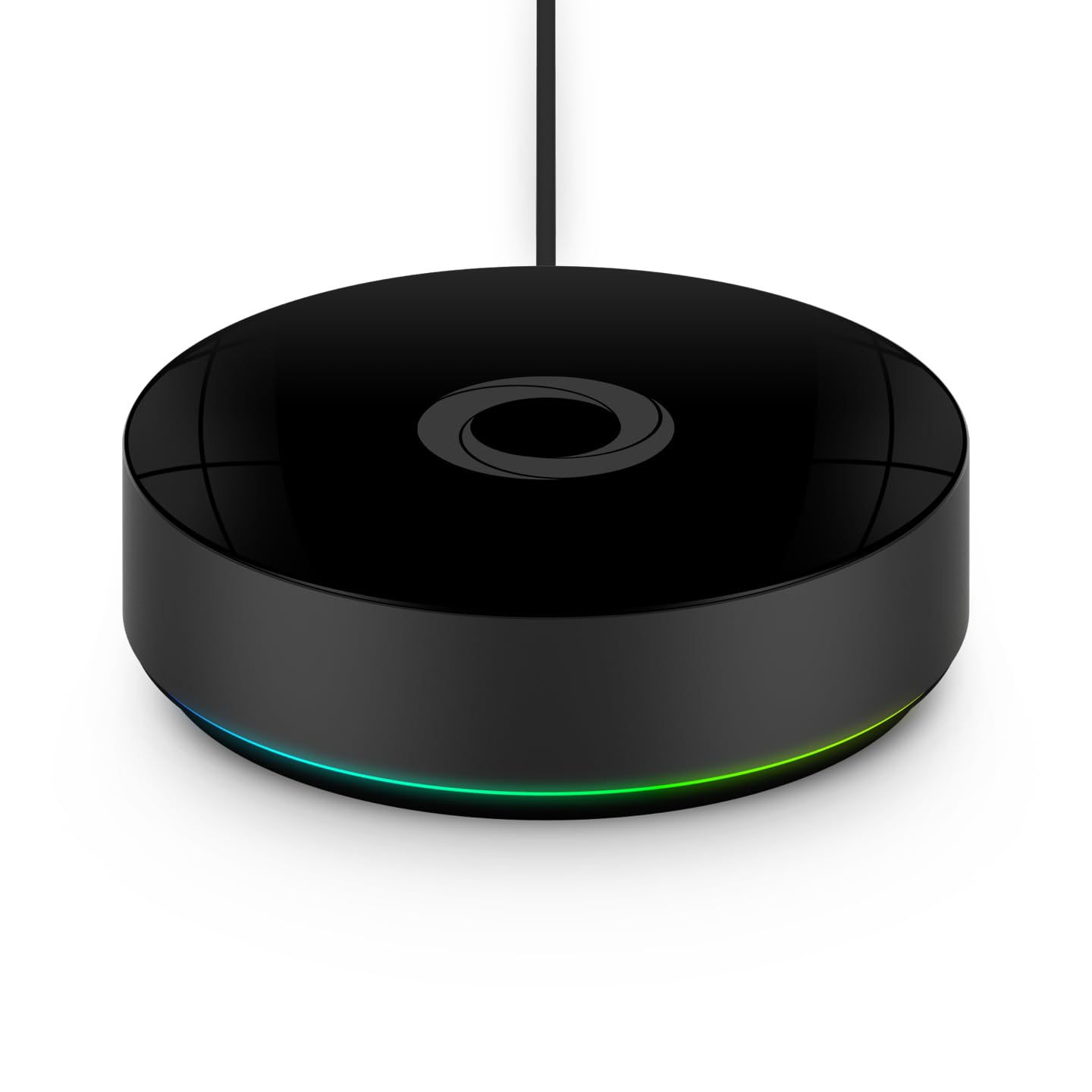 |
|
|
Advanced microprocessor, ample onboard memory for integrations |
| Hubitat Elevation C-8 Pro | 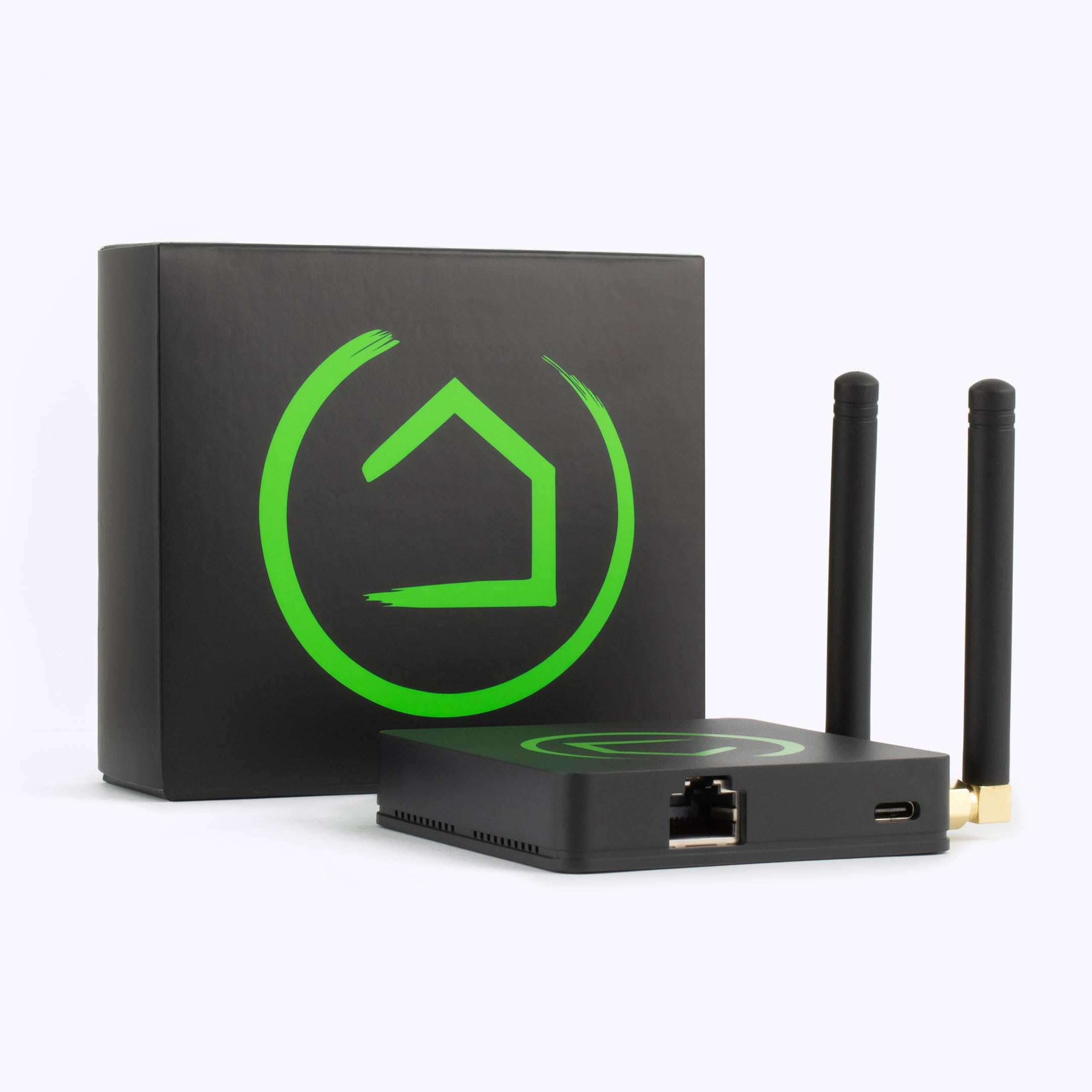 |
|
|
Local processing; specifications not fully listed |
| Aqara Smart Home Hub M3 |  |
|
|
Integrated controller, details not specified |
Compare top smart locks for your home with key features, security options, and user reviews to make an informed choice for your family's safety.

Get ready for Independence Day with solar generators and portable power solutions. Ensure your celebrations are powered up and eco-friendly this holiday!

Maximize your summer sustainability with our ultimate guide to rechargeable AA batteries, featuring top brands, charging tips, and eco-friendly practices.