
Lead Generation Made Easy: An In-Depth Review of HeySummit
Streamline your lead generation with HeySummit. This in-depth review covers features, benefits, and strategies to maximize your event's impact.



Published: May 07, 2026
Make is a visual automation platform that lets you design, build, and automate anything from simple tasks to complex enterprise workflows without writing code. You should care about automation because it frees up your time, reduces repetitive errors, and helps you scale processes that would otherwise consume headcount.
With Make’s visual canvas and infinite branching logic, you can map real-world processes into reproducible workflows, iterate quickly, and hand off maintenance to teammates who are not developers.

You can use Make to turn repetitive work into dependable, repeatable flows without writing code. The interface is a visual flow builder where you connect steps, transform data, and test runs as you go.
For everyday needs you might automate report generation, sync leads from forms into your CRM, or post scheduled updates across channels. For special projects you can orchestrate launch workflows, manage event registrations, or set up multi-step approval chains.
If you want to save time and reduce human error while keeping control of how data moves, Make makes those changes approachable and practical.
Pros |
Cons |
|---|---|
✅ A canvas-based editor that helps you prototype quickly |
❌ Advanced scenarios can become hard to visualize at scale |
✅ Powerful branching and transformation tools for complex scenarios |
❌ There is a learning curve when you start building conditional logic |
✅ Extensive connector library plus custom HTTP support |
❌ Occasionally you need technical knowledge to craft custom API calls |
✅ Detailed run logs and retry controls that simplify troubleshooting |
Feature |
Ease Level |
|---|---|
Visual Editor |
Easy |
Scenario Building |
Moderate |
Error Handling & Debugging |
Moderate |
Team Collaboration |
Easy |
Software |
Integration Quality |
|---|---|
Google Sheets |
Excellent |
Slack |
Excellent |
Salesforce |
Good |
Webhooks / HTTP API |
Excellent |
Airtable |
Good |
Make handles everything from simple triggers to multi-branch enterprise workflows. You can schedule runs, listen for webhooks, map and transform data between steps, and set conditional routes so each record follows the right path. Built-in retry logic, error handlers, and detailed logs help you recover from failures. Use it for daily automations like syncing spreadsheets and sending alerts, or for complex processes such as order orchestration, multi-stage approvals, and event-driven pipelines.
Rating:
Get DetailsYes, Make is designed so you can build automations without writing code, and the visual builder makes logic easier to follow than raw scripts. You should start with simple scenarios, use clear naming for modules, and test runs with sample data to build confidence. If you need custom behavior, you can gradually add HTTP requests or transformations and lean on a developer for the trickier parts while you own the overall flows.
You can rely on Make’s run history and logs to see exactly what happened at each step, which makes finding the failed module straightforward. When you design scenarios, add checkpoints and descriptive labels so the logs are easy to scan, and enable retries or error handlers for transient problems.
If an integration returns unexpected data, reproduce the payload with a test webhook or mock and validate transformations before you flip automations to production.
Think about the complexity of the processes you want to automate, the apps you need to connect, and who will maintain workflows. Make is strong for branching logic and API-driven connectors, so check that the services you rely on are supported or reachable via API/webhooks. Plan for governance by using shared scenarios, role controls, and a naming convention so multiple people can work together without confusion, and start by migrating a few high-impact tasks to prove value before automating entire departments.
You choose Make because it gives you a visual, no-code canvas that makes both simple automations and complex, multi-branch workflows approachable without wrestling with code. You also get a wide range of connectors and direct API/webhook support plus collaboration features and detailed logs, so your automations stay reliable, maintainable, and easy to hand off.
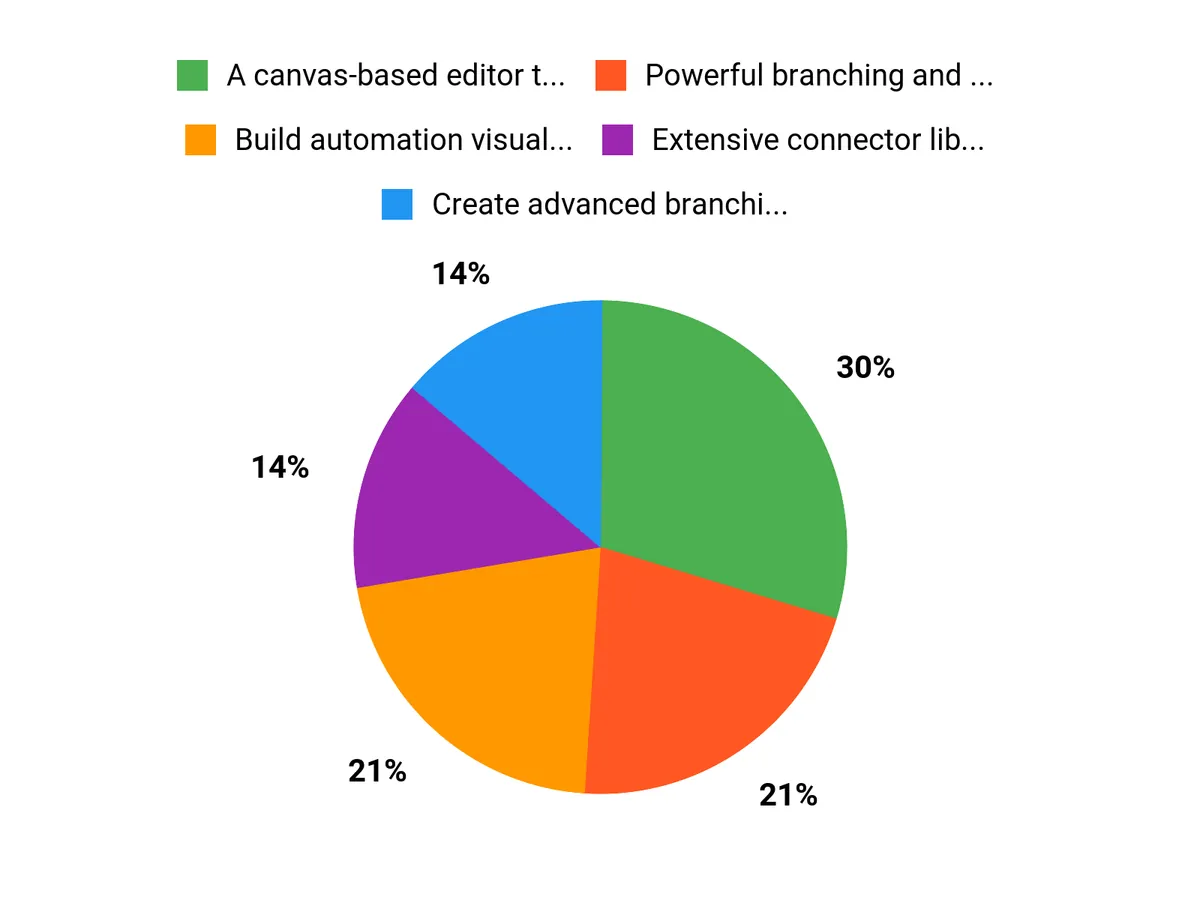
Make is a strong choice if you want a visual, no-code way to automate both simple and highly complex workflows. You will benefit from a drag-and-drop canvas, powerful branching and API capabilities, and a broad set of connectors that keep disparate systems in sync.
Teams gain from shared scenarios, role controls, and robust logging that simplify collaboration and troubleshooting. If you need to move manual processes into repeatable systems while keeping control and visibility, Make helps you do that efficiently and at scale.
Streamline your lead generation with HeySummit. This in-depth review covers features, benefits, and strategies to maximize your event's impact.

Elevate your coaching this autumn with Teachable's powerful tools and features designed to enhance your online courses and engage your audience effectively.

Uncover the top sales funnel software trends for the holiday season, enhancing your marketing strategy and boosting conversions for maximum holiday sales.