
Lead Generation Made Easy: An In-Depth Review of HeySummit
Streamline your lead generation with HeySummit. This in-depth review covers features, benefits, and strategies to maximize your event's impact.



Published: September 20, 2026
You want to build business apps fast without getting bogged down in code or long development cycles. Taskade Genesis is an AI-native workspace where a single prompt can generate live apps, AI agents, and automations, so you can turn ideas into usable dashboards, client portals, and CRMs tied to your shared workspace data.
Trying it this season can shorten delivery times, reduce dependency on engineering resources, and help your team iterate on workflows more confidently.
You can use Taskade Genesis to turn a simple idea into a working app without diving into code. In daily work it helps you spin up dashboards, create client portals, or automate repetitive tasks so you spend less time on manual handoffs.
For bigger moments like launching a new service or rolling out a company workflow, you can prototype interfaces and agents that connect to your existing workspace data, test them with the team, and iterate in real time. If you like building faster and keeping everyone aligned, Genesis is worth trying as a way to prototype and ship practical tools with minimal friction.
Pros |
Cons |
|---|---|
✅ Fast app generation that speeds up prototyping |
❌ May require initial setup to match complex legacy systems |
✅ Built-in collaboration tied to workspace data |
❌ Customization can be limited compared with full-code solutions |
✅ AI agents and automations reduce repetitive work |
Situation |
How It Helps |
|---|---|
Prototyping New Tools |
You can sketch out dashboards or CRMs in minutes and validate workflows with stakeholders before committing developer time. |
Client Deliverables |
You can create client portals and handoffs that pull from shared workspace data so information stays consistent and easy to update. |
Cutting Down Repetition |
You can set up AI agents and automations to handle routine responses and updates, freeing you to focus on higher-value work. |
Cross-Functional Collaboration |
You can keep designers, product people, and operations working in the same live environment so feedback cycles are faster and clearer. |
You can use Genesis for a range of needs, from solo project dashboards to team portals that centralize client work. It adapts to quick one-off automations as well as repeatable internal tools, so you can try different approaches without switching platforms.
Software |
Integration Quality |
|---|---|
Slack |
Native notifications and linking keep conversations tied to workspace items |
Google Workspace |
Two-way sync for docs, calendars, and user data |
Zapier |
Connects to thousands of apps via ready-made automations and webhooks |
Airtable |
Embed and sync data tables for richer app backends |
As your needs grow you can expand from single apps to multiple interconnected tools within shared workspaces. Automations and agents scale with usage, and teams can add layers of structure as projects move from prototype to production.
You describe what you want and Genesis generates a working app skeleton, AI agents, and automations that connect to your workspace data. In practice you start with a clear, simple prompt, pick a template if it helps, then tweak fields, layouts, and workflows in the live workspace until it fits your needs. A good approach is to start small and iterate: validate the basic flow with your team, add automation or agent behaviors once the structure is stable, and use real feedback to refine interactions.
You should verify the platform's security and governance details before you move sensitive information into any tool. Look for documentation on encryption, access controls, and audit logs, and use workspace permissions and role-based access to limit who can view or edit apps and data. It also helps to test integrations with non-sensitive projects first and to confirm backup and export options so you retain control over your information.
You can connect Genesis to common tools like Slack, Google Workspace, Zapier, and Airtable to keep data flowing between systems and reduce manual updates. Start by wiring up one key integration, map the fields you need, and use automations or agents to handle routine handoffs.
Running a short pilot on a single project will show how the pieces behave together and uncover any data-mapping or permission tweaks you need to make.
You’ll like Genesis because it turns a simple prompt into working apps, AI agents, and automations so you can prototype and ship tools fast without waiting on engineering. It also keeps your team aligned with live shared workspaces and connects to common tools so data and workflows stay in sync while you iterate.
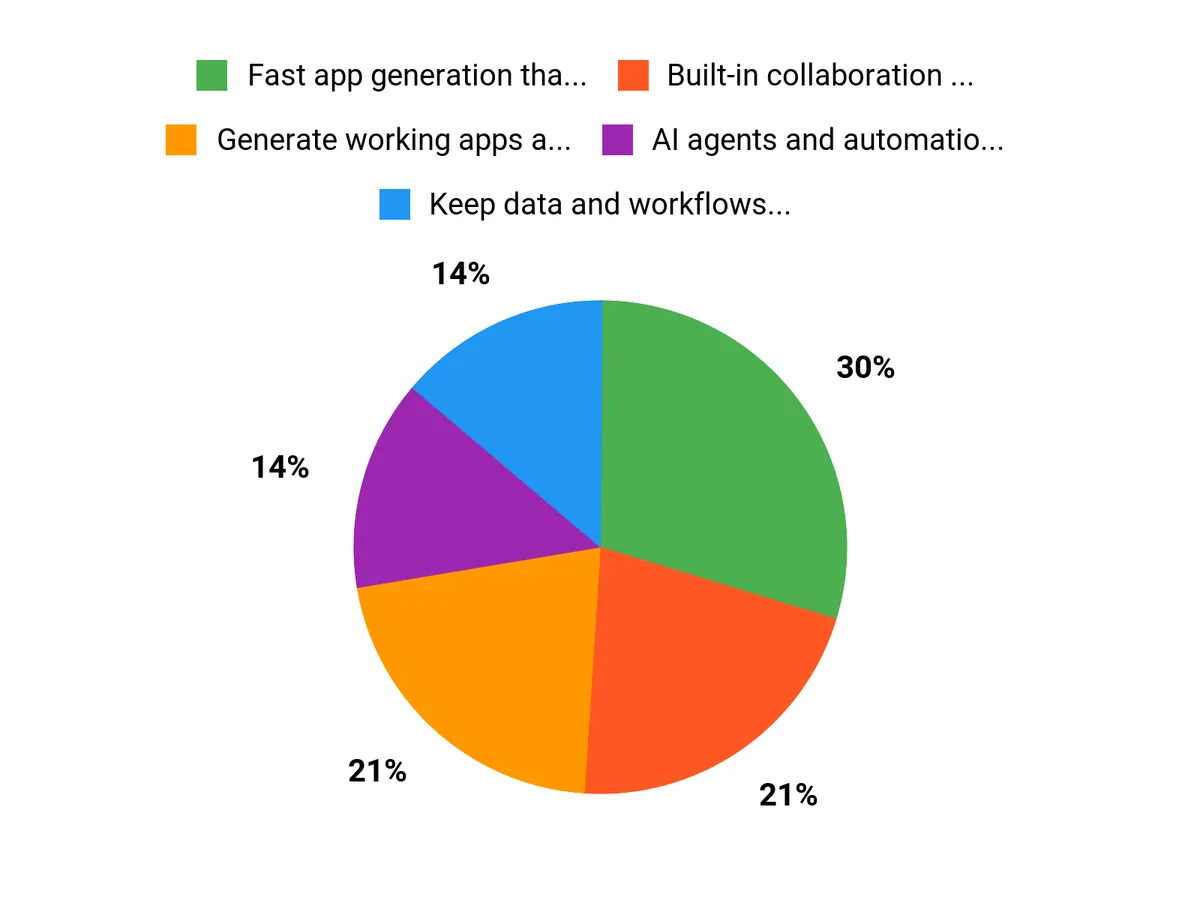
If you want to move from concept to working business apps without heavy engineering overhead, Taskade Genesis delivers AI-driven app generation, agents, and automations that tie into shared workspace data. You benefit from faster prototyping, built-in collaboration, and a low barrier to entry so your team can build dashboards, portals, and CRMs with fewer handoffs and clearer ownership.
Streamline your lead generation with HeySummit. This in-depth review covers features, benefits, and strategies to maximize your event's impact.
Elevate your coaching this autumn with Teachable's powerful tools and features designed to enhance your online courses and engage your audience effectively.

Uncover the top sales funnel software trends for the holiday season, enhancing your marketing strategy and boosting conversions for maximum holiday sales.